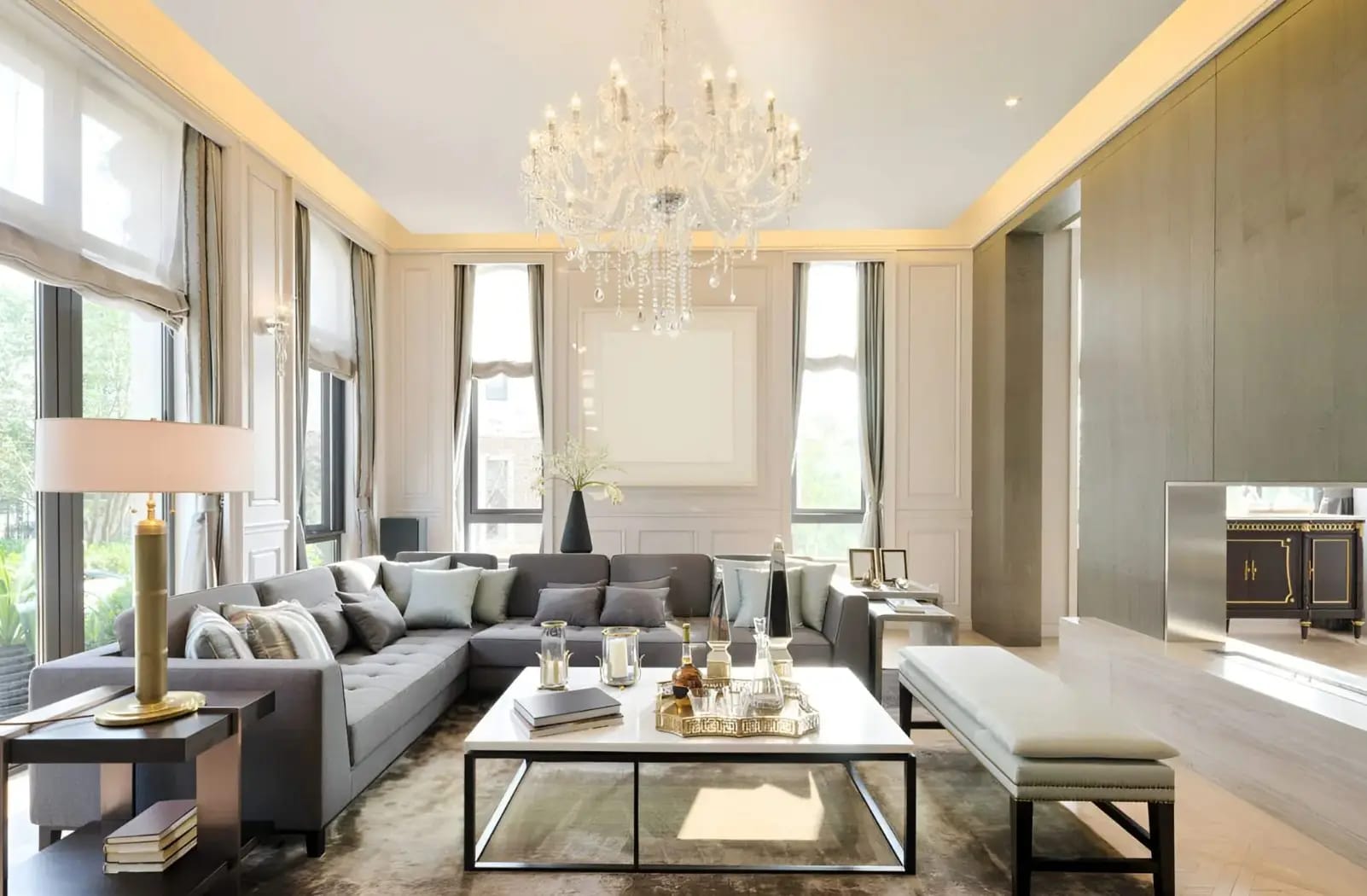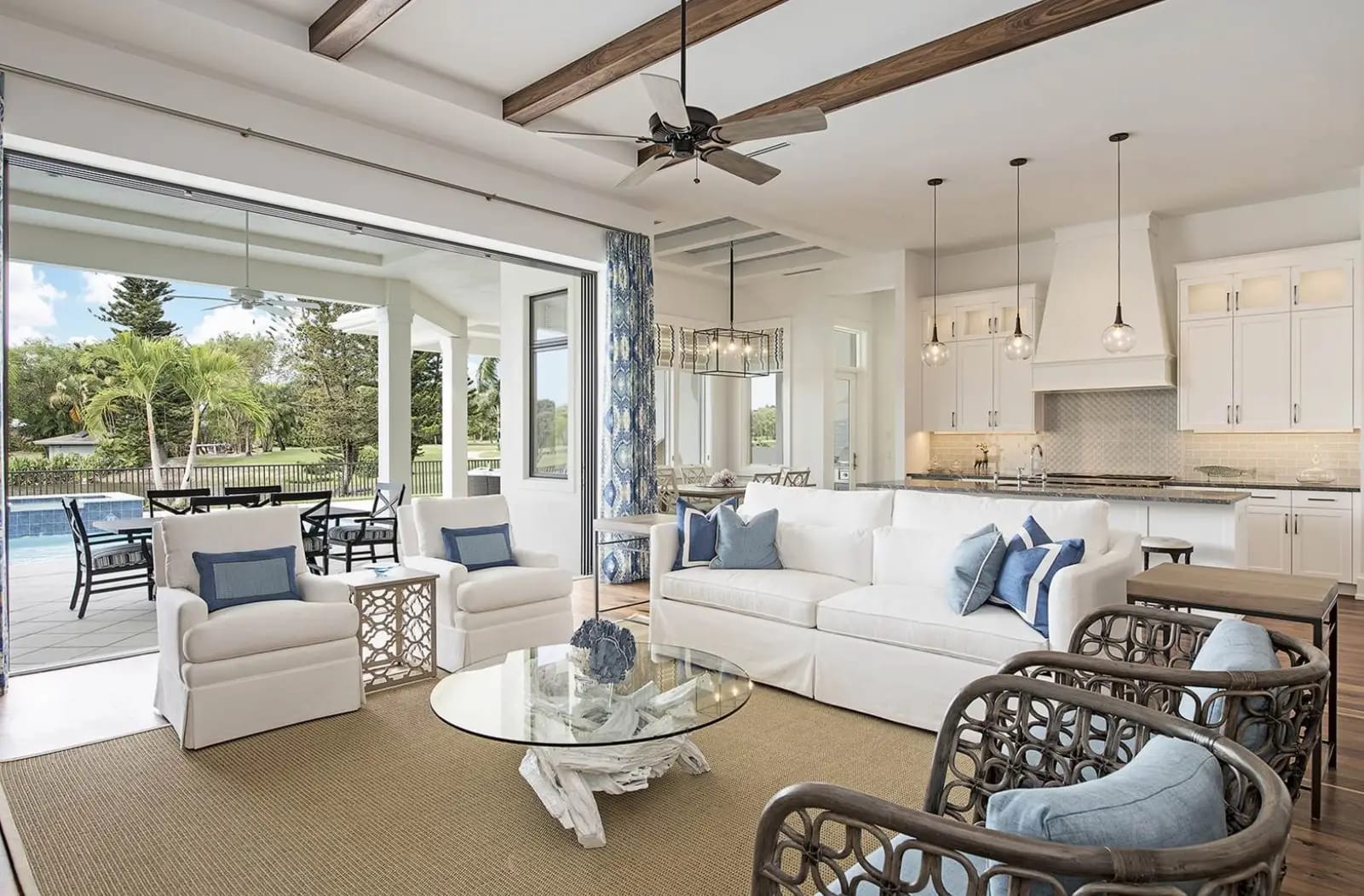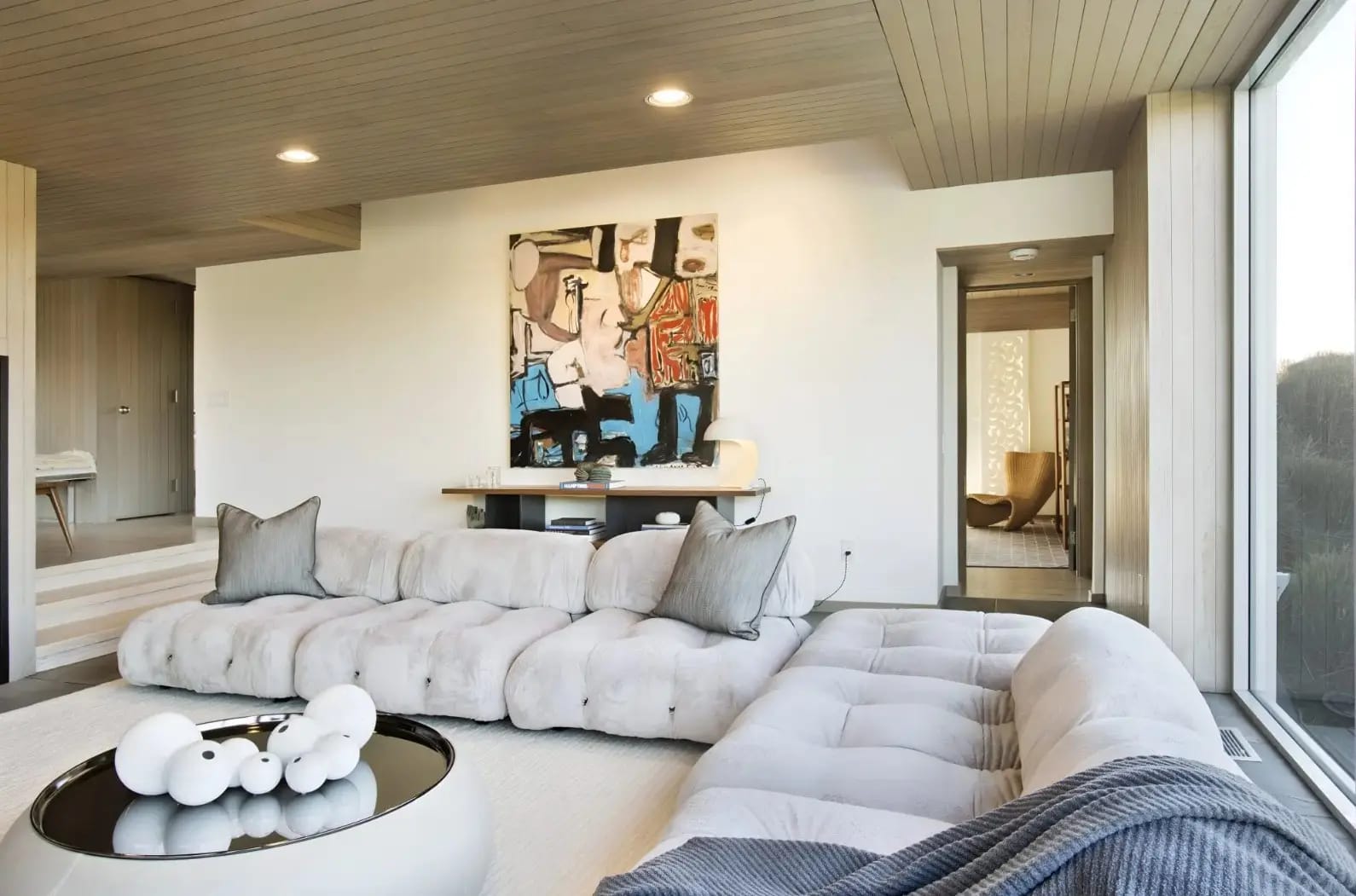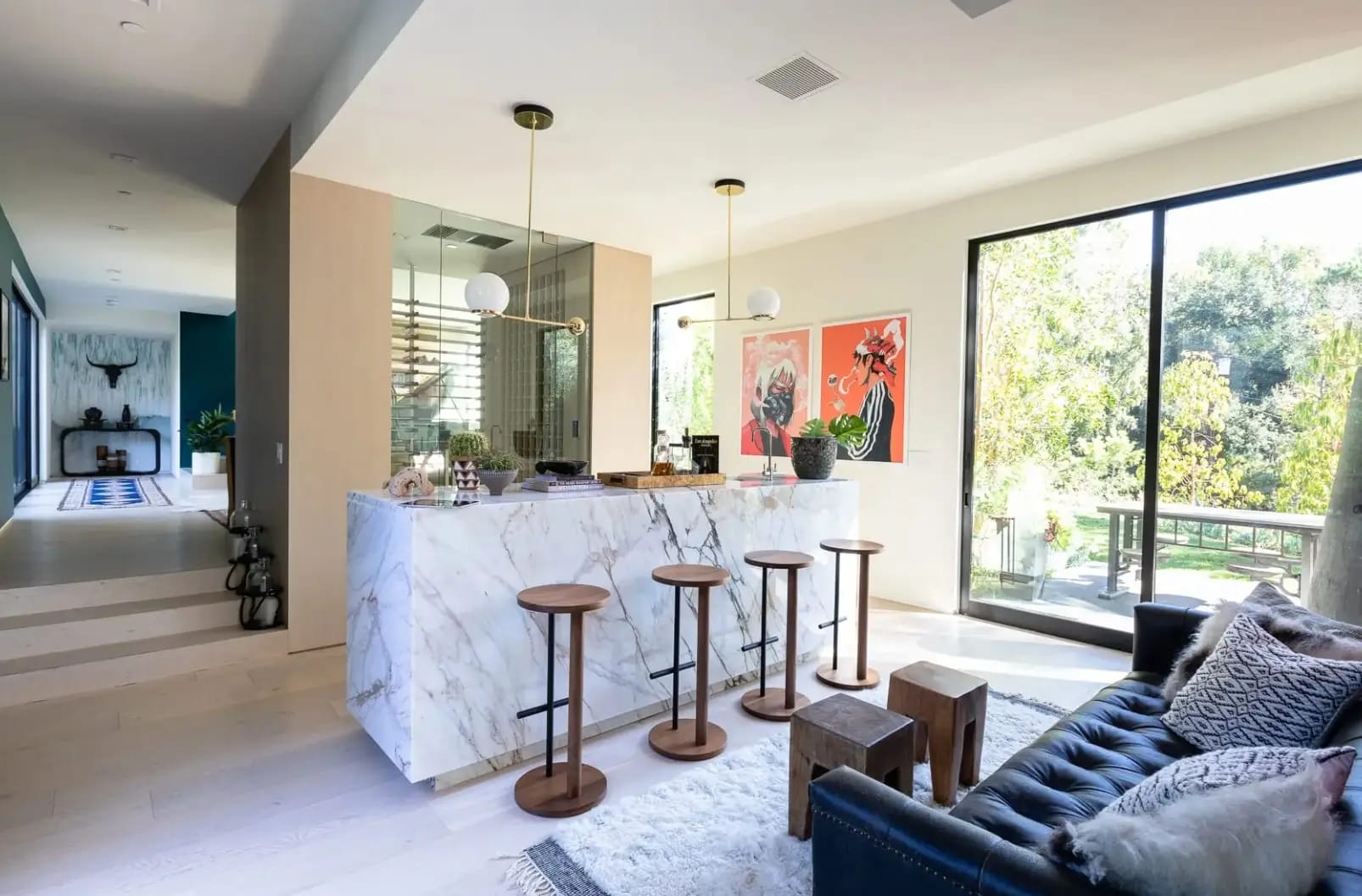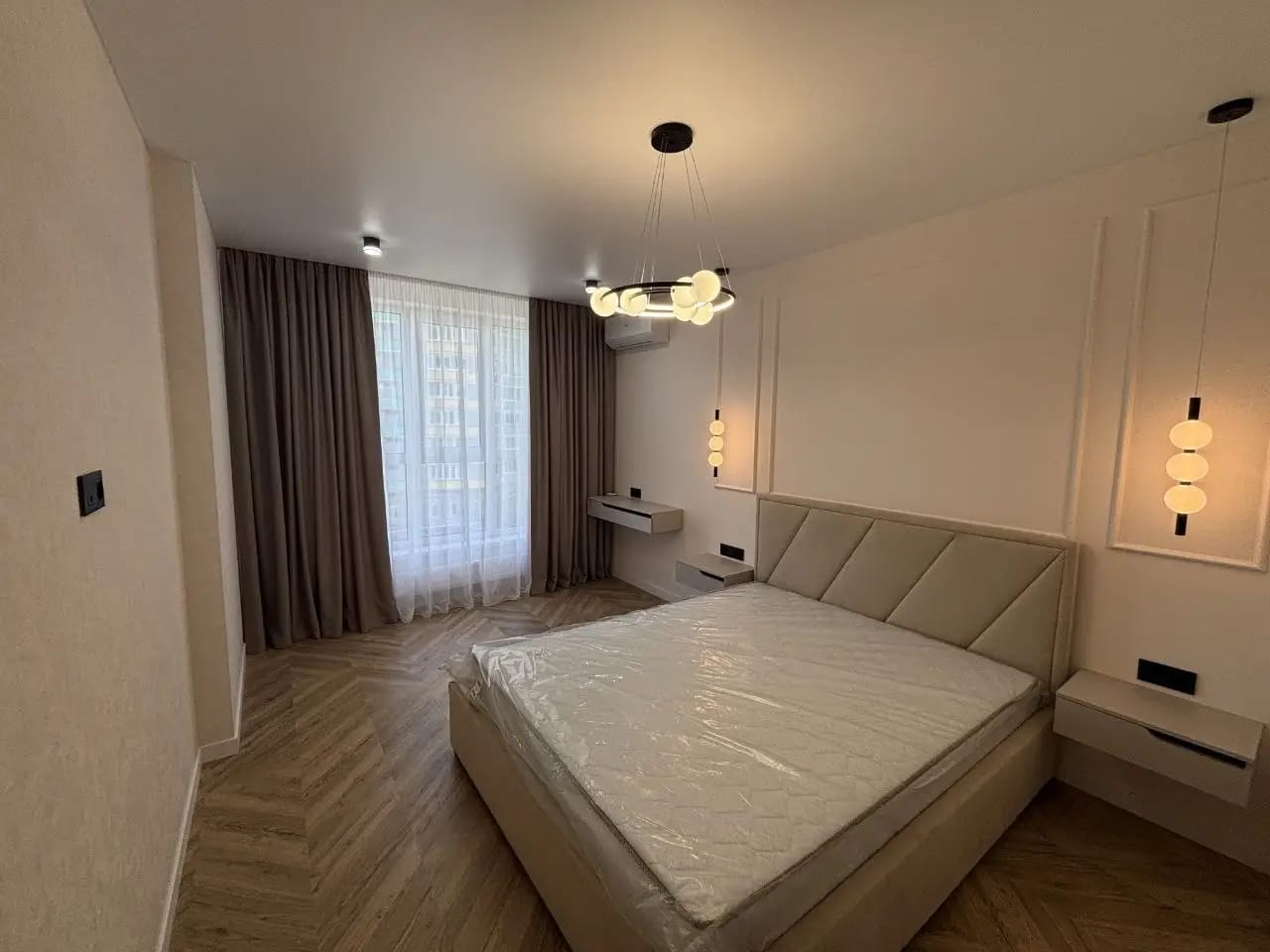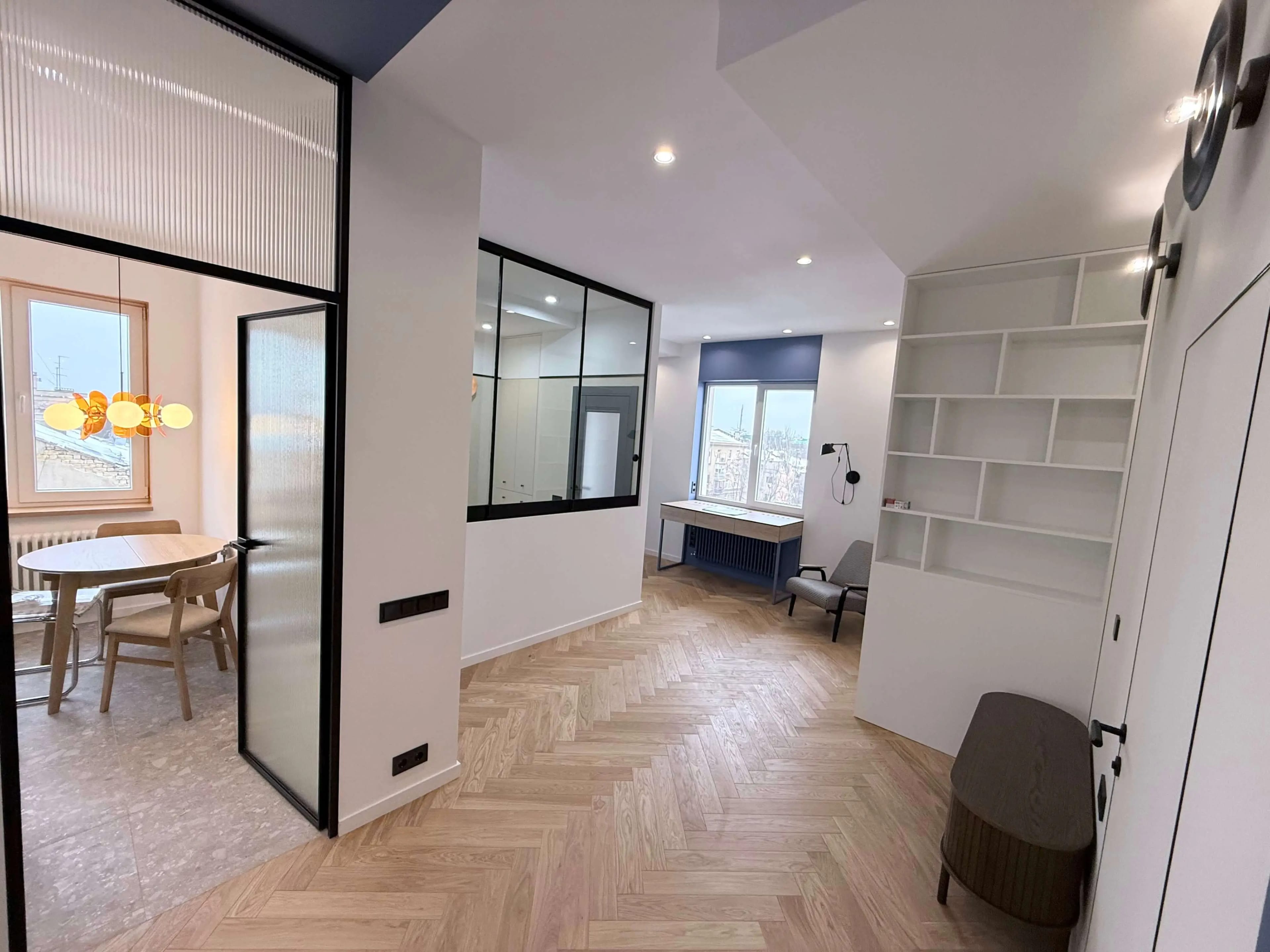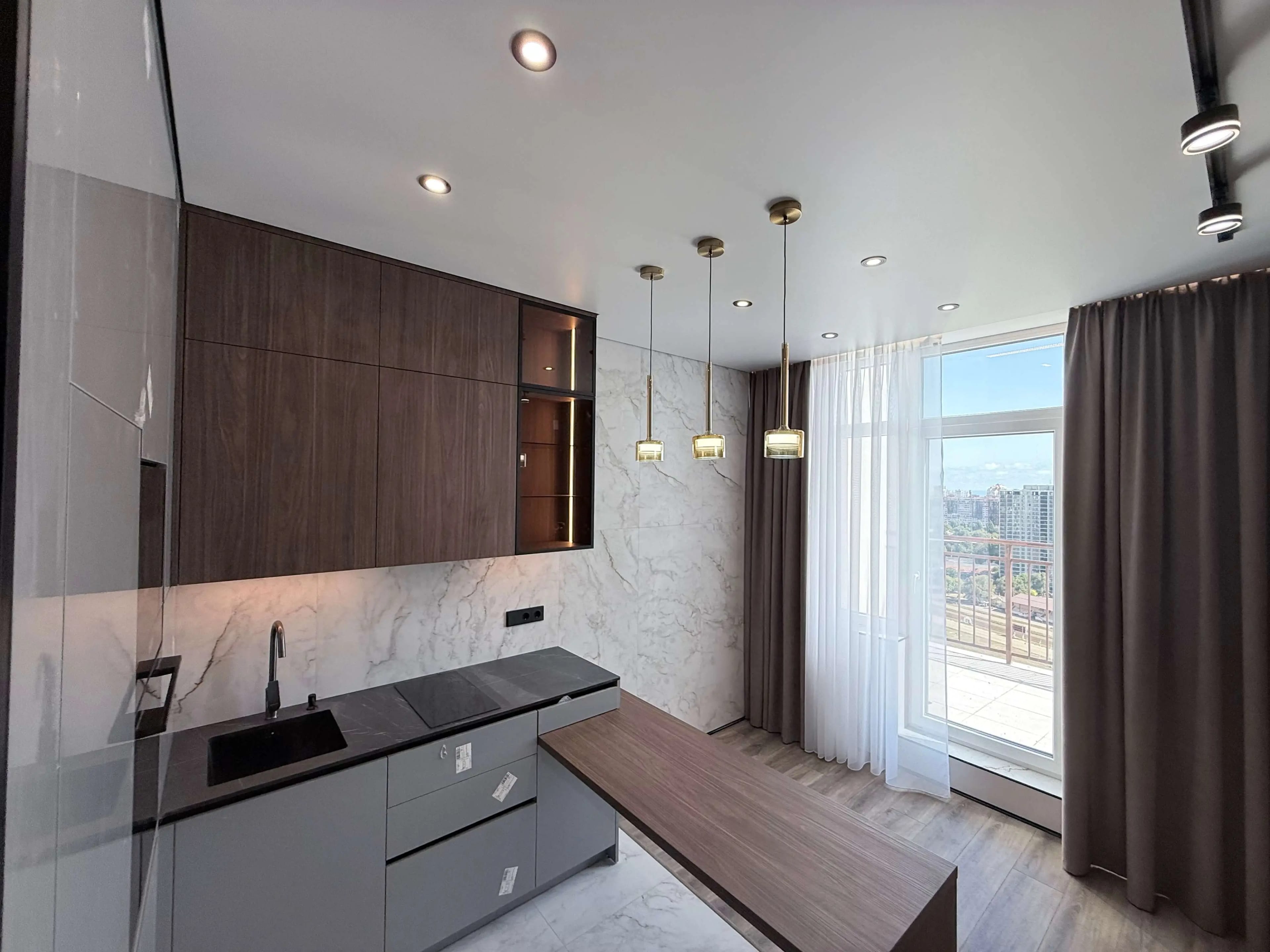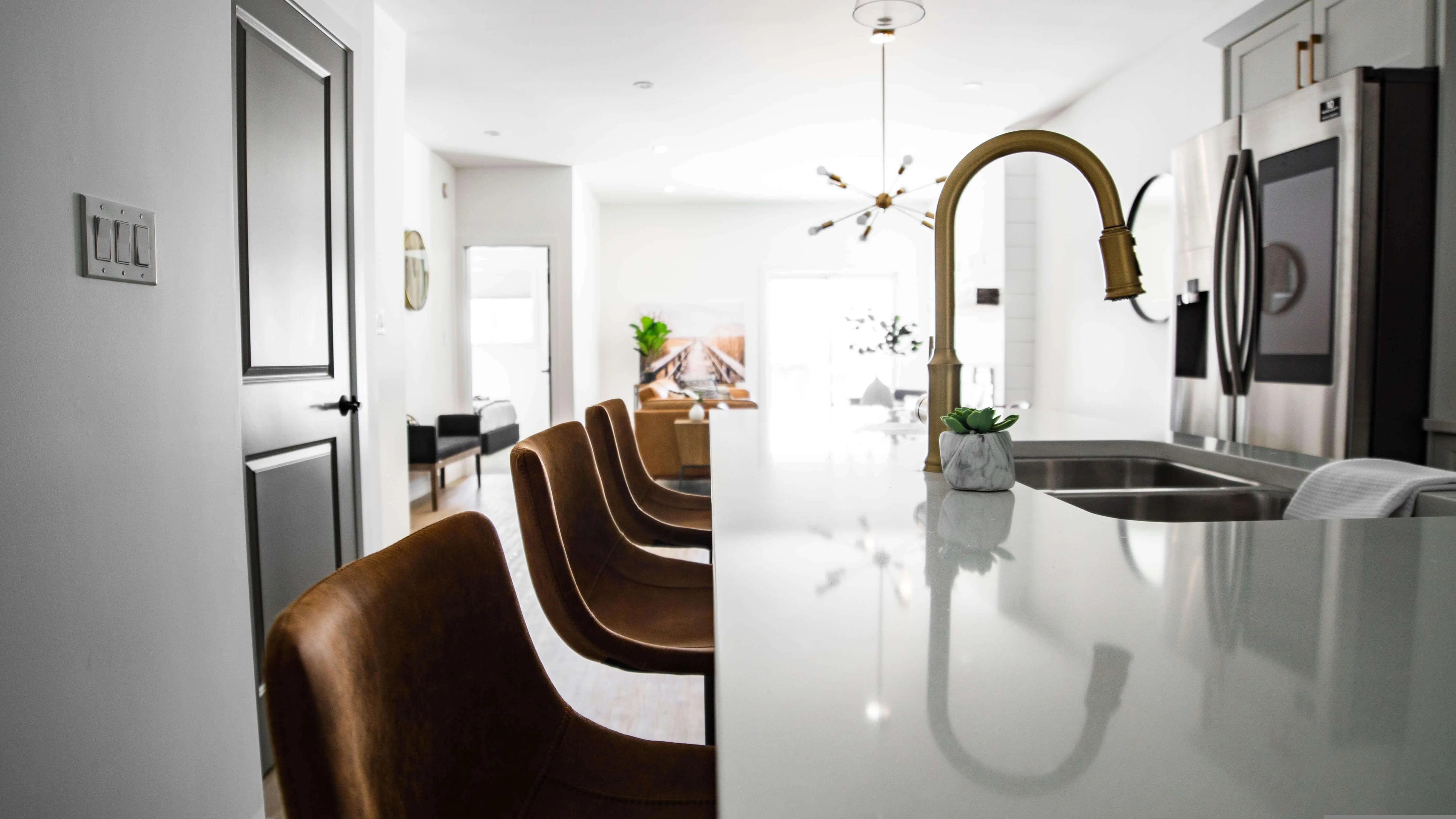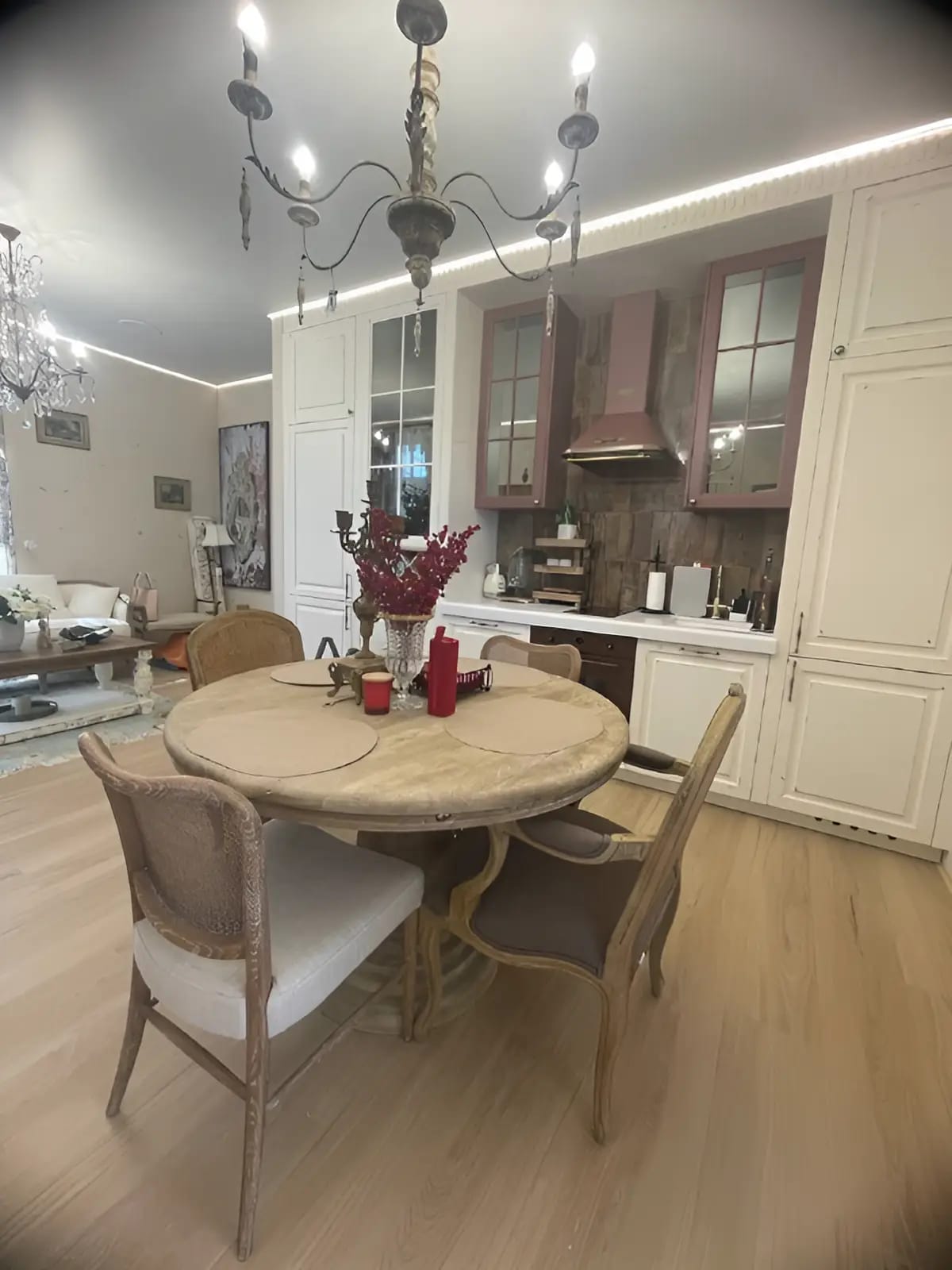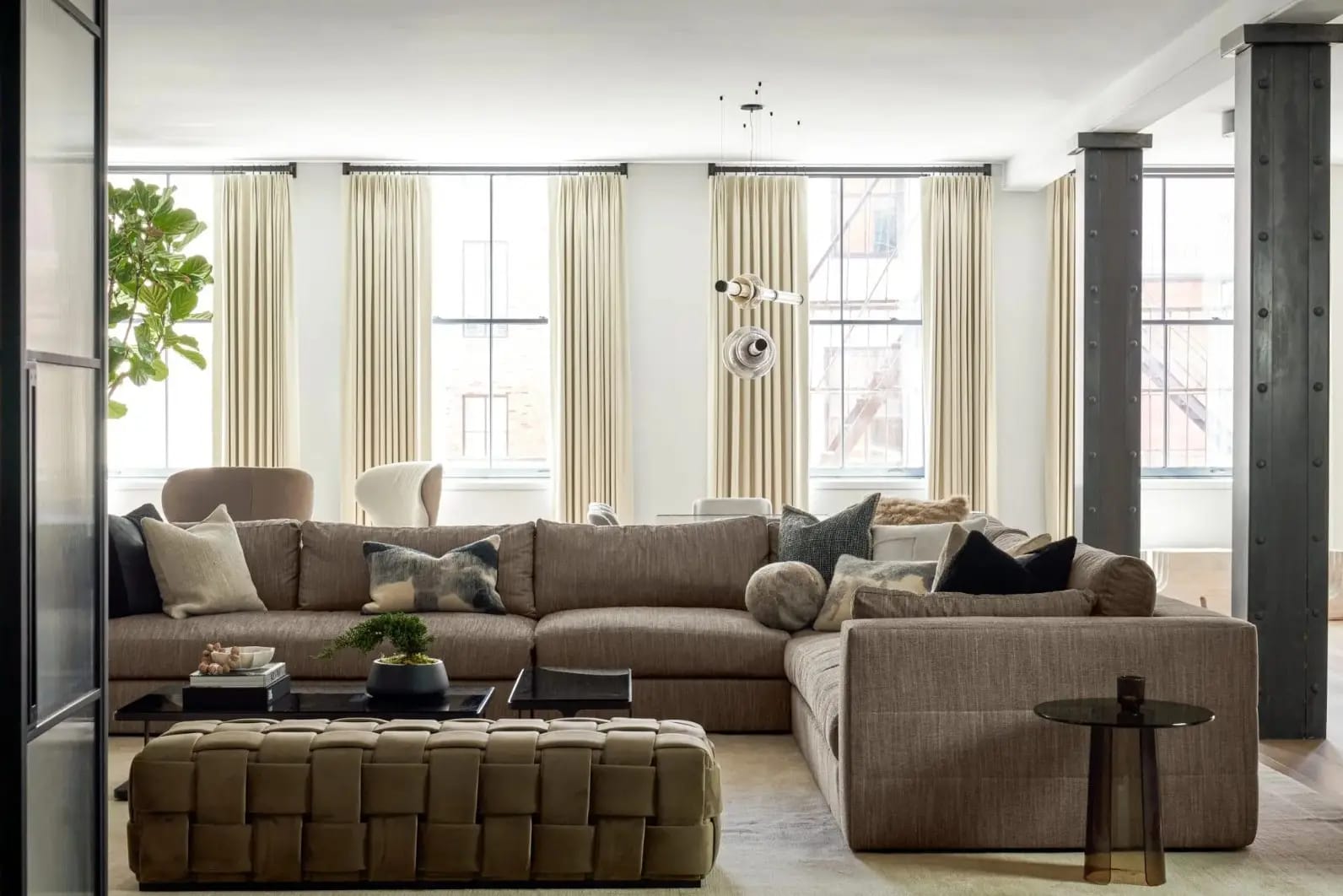
Zoned floor plan is a modern approach to space organization that combines open interiors with clear functional zoning. Unlike a fully open layout, the space does not feel like one large hall: individual functional areas are gently separated from each other without fully enclosing rooms.
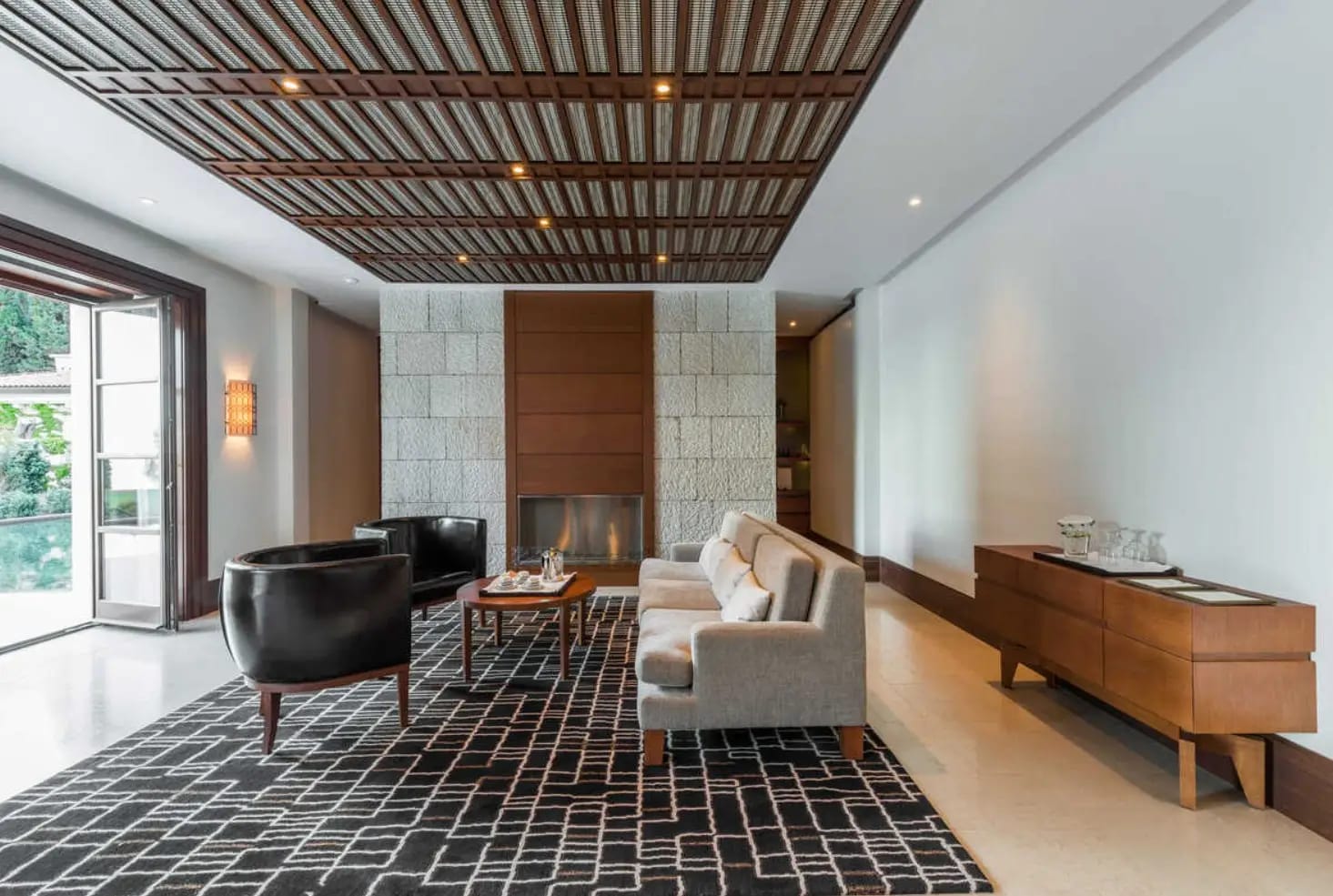
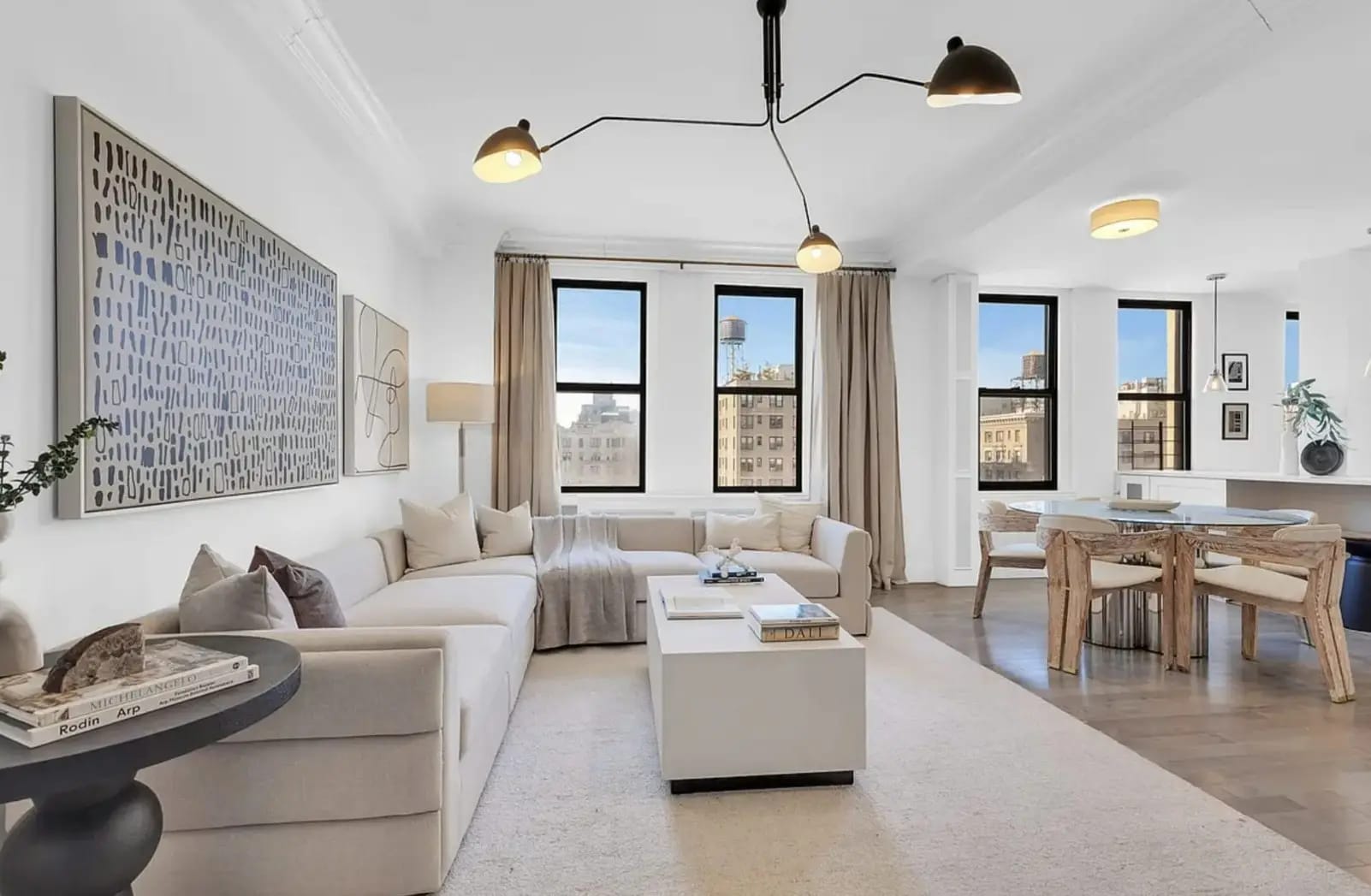
This effect is achieved through architectural and design solutions such as partial walls, glass partitions, arches, changes in floor or ceiling levels, as well as different materials and color schemes. Importantly, the space remains bright and visually open.
The main idea of this layout is to create a balance between the freedom of open space and the comfort of separate zones. Each part of the home has its own function, while still maintaining a sense of overall interior unity.
Advantages of this approach include:
- improved acoustic comfort
- more logical furniture placement
- natural distribution of daylight
- partial concealment of utility areas
- flexibility for future space adaptation
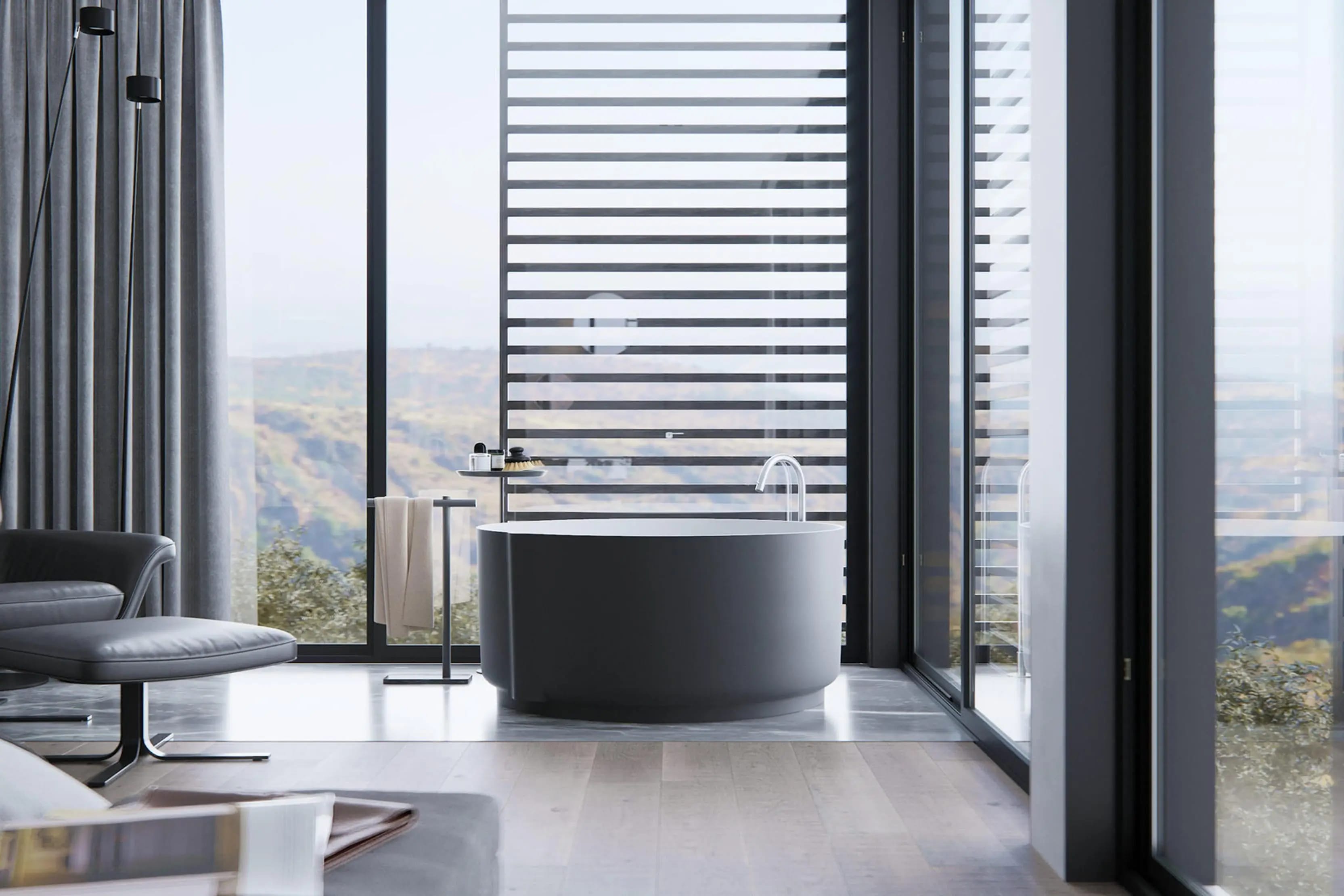
Zoned layouts can be implemented in different ways: through partial walls, level changes in flooring, ceiling design variations, fireplaces as central elements, color zoning, or decorative partitions. Arches, beams, and slatted structures are also commonly used to visually divide space without fully closing it off.
This style is especially popular in modern interiors because it provides openness and spaciousness while preserving coziness and a clear structure for each functional zone.