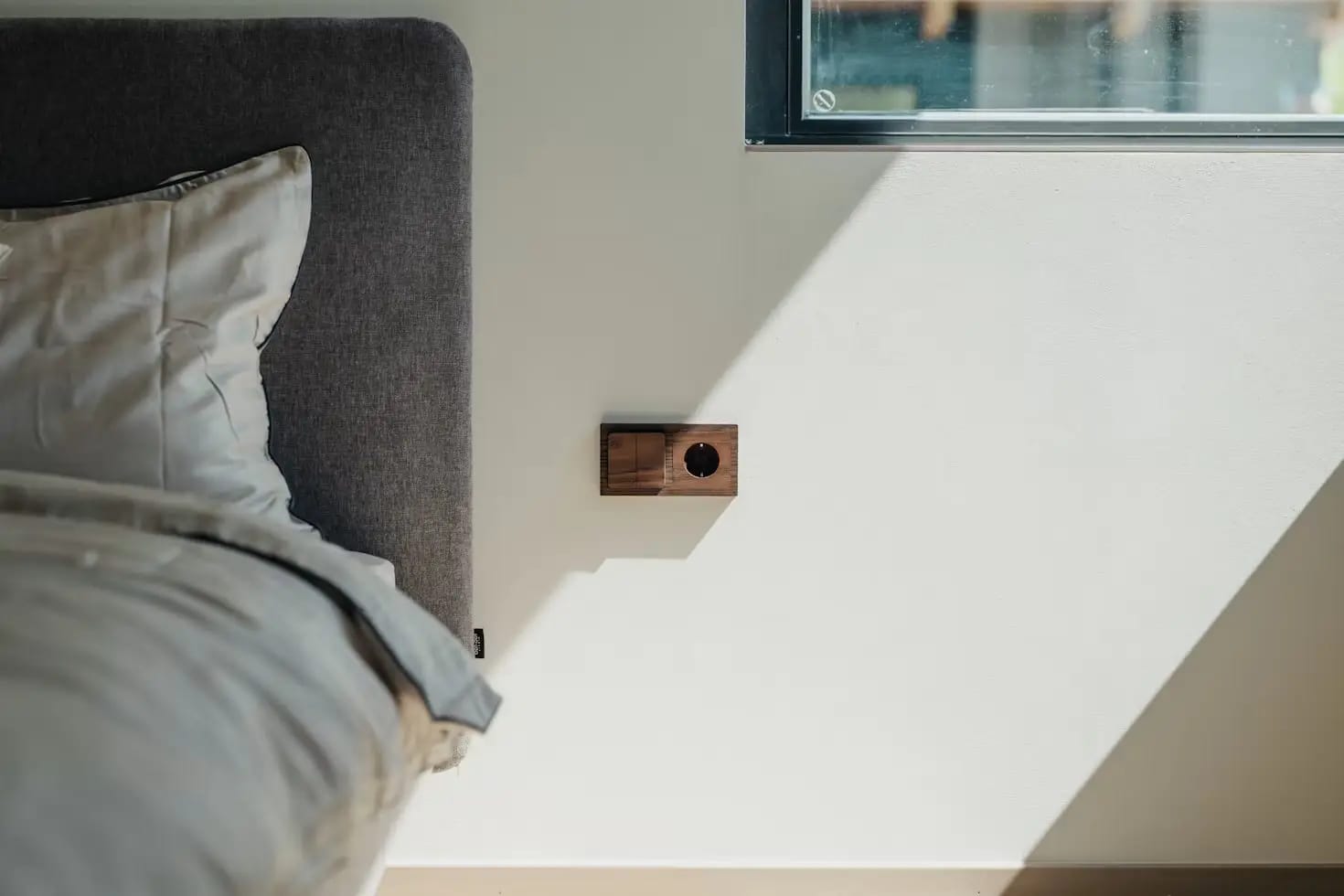
Energy independence is one of the important aspects to consider when planning apartment renovation work in Ukraine. Due to regular power outages and the risk of damage to energy infrastructure, apartment owners are increasingly looking for ways to keep essential household appliances running without access to the central power grid. The best time to address this is before renovation begins: the electrical system should be designed accordingly, backup circuits provided, space allocated for batteries and an inverter, and the apartment prepared for alternative power sources. Particular attention should be paid to the placement of electrical outlets, as their location directly affects how conveniently backup power can be used.
In 2026, energy independence should no longer be viewed as an optional feature that simply makes an apartment more comfortable. It is a practical consideration that affects the choice of electrical equipment, room layout, and the sequence of renovation work. However, this does not mean that you need to install an extensive system with a large number of batteries straight away. Even a few well-planned technical solutions can help prepare an apartment for potential power outages and make it easier to install autonomous power equipment later.
Why Energy Independence Should Be Planned Before Renovation Begins
The main challenge is that most backup power solutions involve concealed technical infrastructure. Electrical cables are routed through walls, distribution boards are installed before finishing work is complete, and connecting an inverter may require dedicated circuits and additional protective devices.
If you only start thinking about backup power after the renovation is finished, you may have to deal with several additional problems:
-
Installing new surface-mounted cables or cutting channels into finished walls.
-
Changing the configuration of the electrical distribution board.
-
Relocating existing outlets or installing additional ones.
-
Finding space for the inverter and batteries.
-
Modifying finished furniture to accommodate technical equipment.
-
Repeating some of the finishing work.
During renovation, however, all these issues can be addressed as part of a single project. Electricians can calculate the expected load in advance and determine the necessary cable routes, while interior designers can incorporate the equipment layout into the apartment's design.
That is why energy independence should be included in the technical specifications as early as the interior design stage.
Designing an Electrical System with Backup Power in Mind
The first task is to ensure that the apartment can receive electricity from an alternative power source.
Simply installing additional outlets is not enough. The electrical layout must be designed in advance to allow safe switching between the central power grid and the backup system.
Prioritising Electrical Appliances
At the design stage, it is important to determine which appliances should continue operating during power outages. In most apartments, there is no need to provide backup power to every outlet.
A more practical approach is to divide electrical appliances into several groups.
|
Category |
Appliances |
Purpose |
|---|---|---|
|
Essential |
Refrigerator, router, basic lighting |
Meeting essential household needs |
|
Additional |
TV, laptop, desktop computer, chargers |
Work, communication, and entertainment |
|
High-power |
Water heater, electric cooker, washing machine, air conditioner |
Appliances with high energy consumption |
This classification makes it easier to determine which electrical circuits should be connected to the backup power source.
For example, separate circuits can be planned for the refrigerator, lighting in the main rooms, the router, and a workstation. Other outlets can remain connected exclusively to the central power grid.
It is important that the final load distribution scheme is prepared by a qualified electrician. They should take into account appliance power ratings, cable specifications, the capacity of the distribution board, and the characteristics of the backup power source.
Separate Circuits for Backup Power
During renovation, it is worth providing dedicated electrical circuits for the most important appliances.
This can be achieved by allocating separate groups of circuit breakers in the electrical distribution board. These circuits can later be connected to an inverter or another backup power system.
The advantage is that there is no need to connect every appliance to a portable power station using extension cords. A properly designed source-switching system will allow selected outlets to remain operational during a grid outage.
The following should be considered during renovation:
-
Sufficient space in the distribution board for additional protective devices.
-
Separate circuits for priority appliances.
-
Appropriately rated electrical cables.
-
Protection against short circuits and overloads.
-
Proper grounding.
-
The option to install an automatic transfer switch.
The last point is particularly important. Connecting a backup power source must prevent unsafe situations in which the electrical system is unintentionally supplied by multiple sources at the same time.
Where to Allocate Space for the Inverter and Batteries
An inverter-and-battery system requires adequate space. This aspect is sometimes overlooked when planning an interior, even though the equipment can be relatively large.
Depending on the system configuration, the inverter and batteries can be installed:
-
In a utility room.
-
In a storage closet.
-
In a dedicated technical niche.
-
In a specially designated area of a non-residential room.
When choosing a location, it is important to consider not only the dimensions of the equipment but also the manufacturer's requirements for installation, temperature, humidity, and ventilation.
Batteries should not be installed directly next to radiators, water pipes, or in areas exposed to moisture. An inverter should not be completely enclosed behind decorative panels if this would interfere with its cooling.
It is also important to ensure easy access to the equipment so that battery condition can be monitored, maintenance performed, and individual components replaced.
If the apartment has limited floor space, the location of the backup power system should be determined before the furniture is made. Otherwise, the equipment may simply fail to fit into the designated niche.
Which Backup Power System Should Be Considered During Renovation
The choice of equipment depends on residents' needs, their budget, and the apartment's technical capabilities. Even if the owner is not planning to purchase batteries right now, the necessary infrastructure can be prepared during renovation to make future installation easier.
Inverter and Battery
This is one of the most practical solutions for a stationary backup power system.
An inverter converts the direct current supplied by a battery into alternating current, which is used by household appliances. Properly configured systems can automatically switch to backup power when voltage from the central grid is lost.
During renovation, it is worth providing:
-
Space for mounting the inverter.
-
Room for the battery.
-
Cable routes between the equipment and the electrical distribution board.
-
Separate circuits for priority appliances.
-
Electrical protection devices.
-
The option to expand the system with additional batteries.
Modern residential backup power systems often use LiFePO4 batteries. They offer a long cycle life and relatively high thermal stability. However, the manufacturer's installation and operating requirements must always be followed.
Portable Power Station
If the owner does not want to install a stationary system, a portable power station can be an alternative.
The device has a built-in battery and inverter, so it does not require complex installation to supply power directly to household appliances.
The apartment can also be prepared for this option during renovation. For example, it is worth planning convenient outlet locations, allocating storage space for the power station, and ensuring that essential appliances can be connected.
However, a portable power station cannot always supply power to all the apartment's backup circuits. This requires an appropriate electrical design and compatible equipment.
Hybrid System with Solar Panels
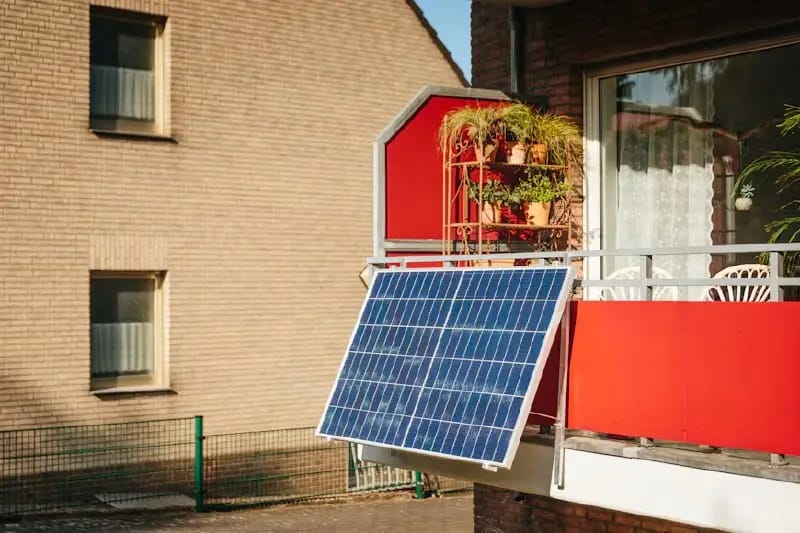
A hybrid system combines the central power grid, batteries, and solar panels. It allows energy generated from sunlight to be stored and used when needed.
Installing such a system in an apartment building is more complicated. It is necessary to consider whether panel installation is permitted, whether there is access to the roof, the building's structural design, and the rules governing the use of shared property.
For this reason, during a standard apartment renovation, it is more practical to prepare for the possible connection of a hybrid inverter and batteries. The installation of solar panels should be considered separately, taking into account the building's technical and legal limitations.
How to Calculate the Required Capacity of a Backup Power System
To avoid overspending on equipment, it is important to determine the apartment's actual energy consumption during power outages.
Start by making a list of the appliances that need to operate independently of the grid and checking their power ratings.
|
Electrical appliance |
Approximate power consumption |
|---|---|
|
Wi-Fi router |
8–15 W |
|
LED bulb |
5–12 W |
|
Laptop |
40–90 W |
|
Television |
60–150 W |
|
Refrigerator |
70–200 W while the compressor is running |
|
Circulation pump |
40–100 W |
|
Desktop computer |
150–400 W |
These figures are approximate. For accurate calculations, use the specifications of the actual appliance models and take starting currents into account.
It is important to distinguish between inverter output power and battery capacity. The first determines how many appliances can operate simultaneously, while the second determines how long the system can supply them with electricity.
For example, a battery with a capacity of 2 kWh could theoretically power appliances with a combined load of 200 W for 10 hours. In practice, the runtime will be shorter due to energy conversion losses and the battery's operating characteristics.
That is why the required backup runtime should be calculated before purchasing equipment, not after it has been installed.
Lighting and Outlets: What to Change in the Electrical Design
Another important consideration is the proper placement of electrical points.
During renovation, it is worth providing separate lighting points in the main rooms and connecting them to backup circuits. This will help maintain lighting in the hallway, kitchen, bathroom, and living areas during power outages.
Practical solutions include:
-
Using energy-efficient LED lighting.
-
Planning separate lighting circuits.
-
Installing backup outlets near the workstation.
-
Providing power points for the router and networking equipment.
-
Allowing for additional autonomous lighting.
-
Planning convenient charging areas for phones and laptops.
There is no need to connect every lighting point to the backup system. It is enough to ensure that the main lighting zones remain operational.
Thermal Insulation and Ventilation: Preparing an Apartment for Extended Power Outages
Energy independence is not just about electricity. During prolonged power outages, maintaining indoor warmth and ensuring proper air circulation are also important.
That is why renovation is a good opportunity to check the condition of windows, balcony structures, entrance doors, and exterior walls.
Pay particular attention to:
-
The airtightness of window installation joints.
-
The condition of window and door seals.
-
Gaps around entrance doors.
-
Thermal insulation of exterior walls.
-
Insulation of balcony structures, where technically permitted.
If the apartment is on the top or ground floor, it is also worth assessing the condition of the relevant floor or ceiling structures.
However, ventilation should not be overlooked. Sealing windows and doors must not completely restrict air exchange. If the apartment has a mechanical ventilation system, consider providing backup power for its most important components.
The heating system also needs to be taken into account. If it depends on electric pumps or electronic controls, check whether these can be connected to the backup power source.
Safety Requirements for Installing Autonomous Power Equipment
During renovation, it is important not only to prepare the apartment for backup power but also to ensure that all components can be operated safely.
The following requirements should be taken into account:
-
Use electrical cables with an appropriate cross-section.
-
Select protective devices according to the calculated load.
-
Ensure proper grounding.
-
Use a compatible inverter and battery.
-
Follow the manufacturer's requirements for ventilation and temperature.
-
Keep batteries away from heat sources.
-
Ensure easy access to the electrical distribution board and technical equipment.
Generators deserve a separate mention. They are not a safe solution for apartments in multi-storey residential buildings. Petrol and diesel generators must never be used indoors, on balconies, or in other enclosed spaces because of the risk of carbon monoxide poisoning and fire.
For apartments in multi-storey buildings, battery-based backup power systems are therefore a more suitable option.
What to Include in the Design Even with a Limited Budget
Not every apartment owner can afford to purchase a high-capacity inverter and batteries straight away. However, this does not mean that preparations for energy independence should be postponed.
Even with a limited budget, it is possible to plan the basic infrastructure needed to install the necessary equipment in the future.
|
Solution |
What to do during renovation |
Benefit |
|---|---|---|
|
Electrical distribution board |
Leave spare space for additional protective devices |
Easier future upgrades |
|
Cable routes |
Provide routes for cables leading to the inverter |
No need to cut into finished walls again |
|
Electrical outlets |
Designate outlets for priority appliances |
Convenient backup power |
|
Technical area |
Allocate space for batteries |
No need to modify furniture later |
|
Lighting |
Use LED fixtures |
Lower electricity consumption |
|
Ventilation |
Check whether autonomous operation is possible |
Better indoor climate control |
This approach makes it possible to spread expenses over several stages. First, the owner invests in proper planning and electrical infrastructure. The purchase of batteries and an inverter can be postponed until a sufficient budget has been accumulated.
How to Integrate Energy Independence into the Apartment Interior
Technical equipment does not have to disrupt the overall interior design. If its location is determined early enough, it can be accommodated in a dedicated technical niche, utility area, or part of a storage closet.
However, functionality should not be sacrificed for appearance. Inverters and batteries need sufficient space for cooling, and they must remain easily accessible.
It is also important to coordinate:
-
Furniture placement and the location of technical equipment.
-
Electrical distribution boards and decorative structures.
-
Cable routes and future partition walls.
-
Backup outlets and functional areas.
-
Ventilation systems and furniture design.
At this stage, the interior design should take technical requirements into account alongside aesthetics. More information about which solutions are worth planning before renovation begins is available on the RSU blog.
Checklist: What to Consider When Renovating an Apartment
Before the main work begins, check whether all the essential aspects of energy independence have been included in the plan.
-
A list of appliances that should continue operating during power outages has been prepared.
-
The required capacity of the backup power system has been calculated.
-
Separate circuits for priority appliances have been planned.
-
Space for the inverter and batteries has been allocated.
-
Spare space has been left in the electrical distribution board.
-
Appropriate electrical protection devices have been included.
-
Backup outlet locations have been planned.
-
The possibility of adding more batteries has been considered.
-
The thermal insulation of windows and doors has been checked.
-
Proper ventilation has been planned.
-
The dependence of the heating system on electricity has been assessed.
-
Technical solutions have been coordinated with the interior design.
Conclusion
In Ukraine in 2026, energy independence should be treated as an integral part of a well-planned apartment renovation. The most important decisions should be made before the work begins: identify priority appliances, design the electrical circuits, leave spare space in the distribution board, allocate room for the inverter and batteries, and plan the location of electrical outlets.
Even if the owner does not intend to install a complete autonomous power system right away, preparing the apartment during renovation can help avoid additional expenses in the future. It is also important to consider thermal insulation, ventilation, and the ability of technical systems to operate without access to the central power grid.
The key principle is not to adapt a finished apartment for backup power only after the renovation is complete, but to incorporate the necessary technical solutions into the project from the start. This comprehensive approach helps create a space that remains functional and comfortable even when electricity supplies are unstable. To achieve this, every stage of the project should be planned carefully — from the initial design and installation of technical systems to the final finishing work. More information about comprehensive apartment renovation services is available on the RSU website.