Keeping an apartment clean takes time, especially when the finishing work does not account for the practical requirements of everyday maintenance. Dust accumulating on open surfaces, dirt settling between tiles, watermarks on bathroom fixtures, grease on kitchen backsplashes, and pet hair on floors can turn ordinary cleaning into a time-consuming task. However, many common household challenges can be prevented during the initial planning stages by making thoughtful interior design choices and selecting appropriate finishing materials.
The main principle of a practical interior is to minimize hard-to-reach areas, exposed horizontal surfaces, and materials that quickly accumulate dirt. The durability of finishes, effective storage organization, carefully positioned furniture, and proper ventilation also play an important role. Even relatively small adjustments to individual design elements can significantly reduce the time required to maintain a clean and organized home.
Let's explore the solutions worth considering during interior finishing to keep an apartment looking neat without constant effort.
1. Practical Flooring: Fewer Grout Lines and Less Complicated Maintenance
Flooring is among the surfaces that become dirty most quickly. Dust, sand, moisture, crumbs, and pet hair regularly accumulate on it. Therefore, choosing the right flooring material directly affects how difficult everyday cleaning will be.
The most suitable options for residential spaces are materials with smooth or moderately textured surfaces that withstand regular wet cleaning and do not require specialized products to maintain their appearance.
Several practical options are worth considering:
-
Porcelain stoneware. This material offers excellent durability and resistance to moisture and household cleaning products. It is particularly suitable for entryways, kitchens, bathrooms, and other areas exposed to frequent use.
-
Quartz vinyl flooring. It offers water-resistant properties, feels comfortable underfoot, and is easy to clean from most everyday stains. It works well in kitchens, hallways, and living areas.
-
Water-resistant laminate flooring. This can be a practical choice for bedrooms and living rooms, provided homeowners select a suitable model and follow the manufacturer's maintenance recommendations.
-
Engineered wood flooring with a protective finish. It provides the natural appearance of timber but requires more careful handling around moisture and regular maintenance appropriate to its finishing layer.
Particular attention should be paid to the number of joints between individual flooring elements. The more grout lines a surface contains, the more places there are for dust and dirt to accumulate. For this reason, large-format tiles are often more convenient to maintain than small mosaics.
Grout selection is equally important. For tiled floors, it is advisable to use high-quality moisture-resistant compounds that absorb dirt less readily than conventional cement-based mixtures. Epoxy grout offers excellent resistance to moisture and stains, although its application requires professional expertise.
Floor color also deserves consideration. Dust, streaks, and shoe marks are particularly noticeable on very dark, glossy surfaces. Extremely light, uniform flooring can also lose its neat appearance quickly. A practical compromise involves natural stone and wood tones, as well as neutral shades with subtle variations in texture.
2. Fewer Exposed Surfaces and Better-Organized Storage
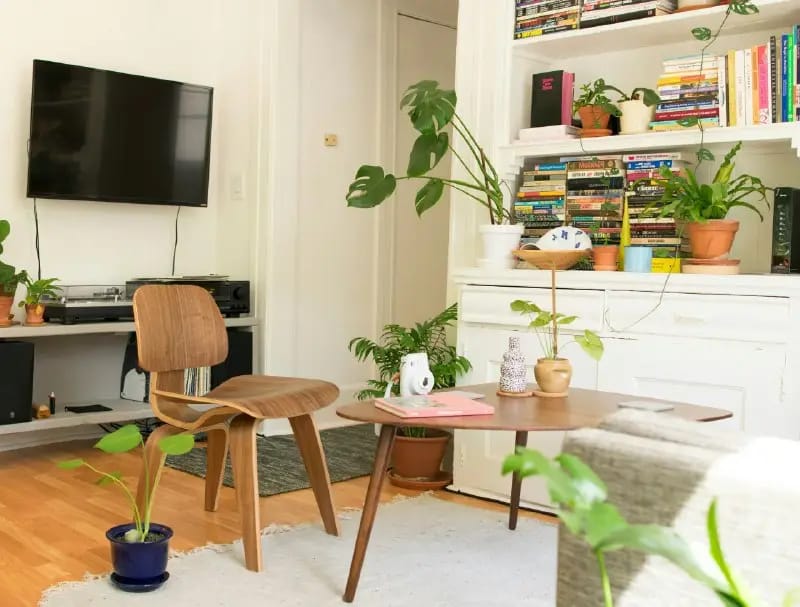
One of the main reasons dust accumulates in apartments is the presence of numerous open shelves, decorative niches, and horizontal surfaces. Each requires regular cleaning, and when shelves are filled with various objects, the process becomes even more time-consuming.
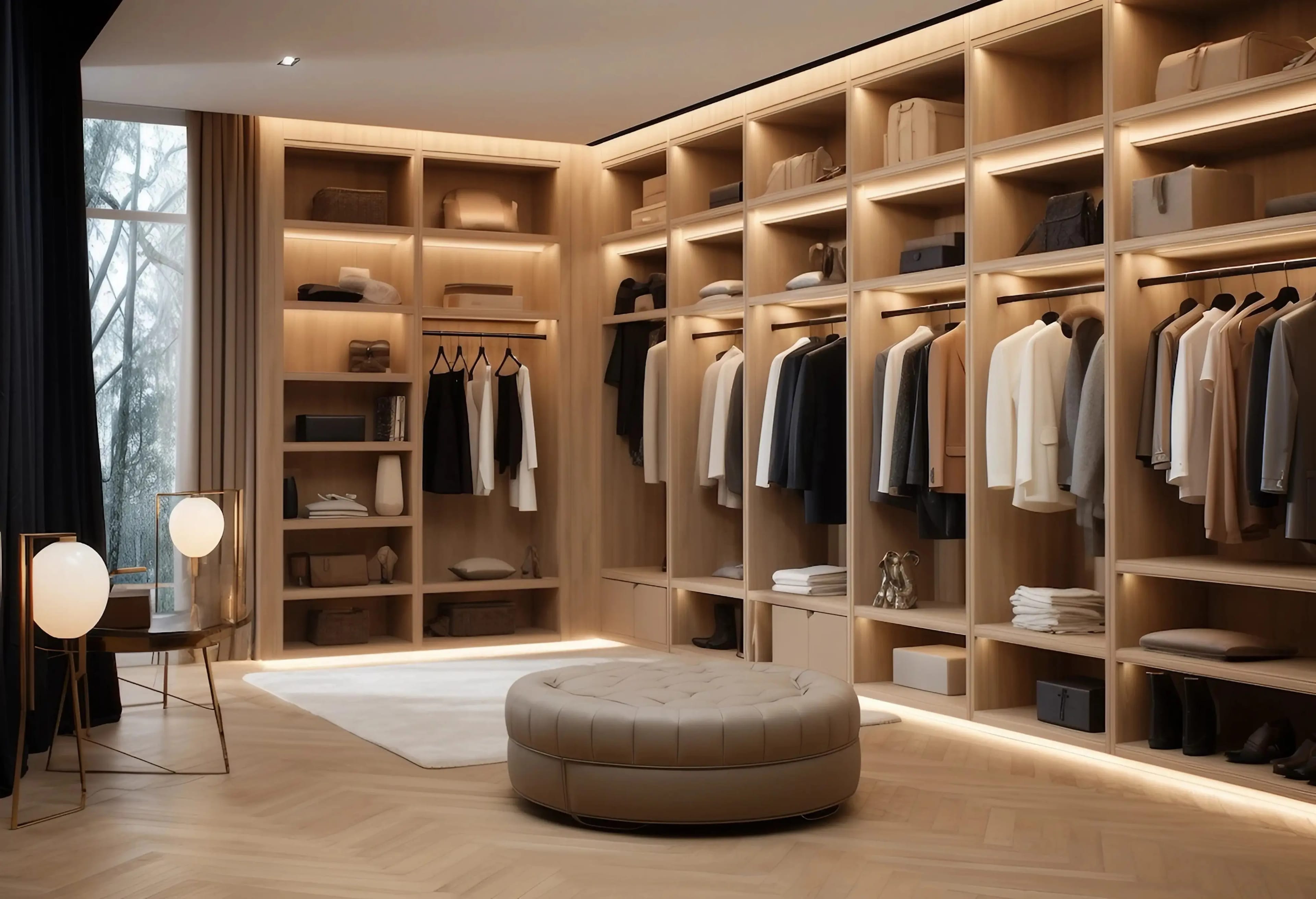
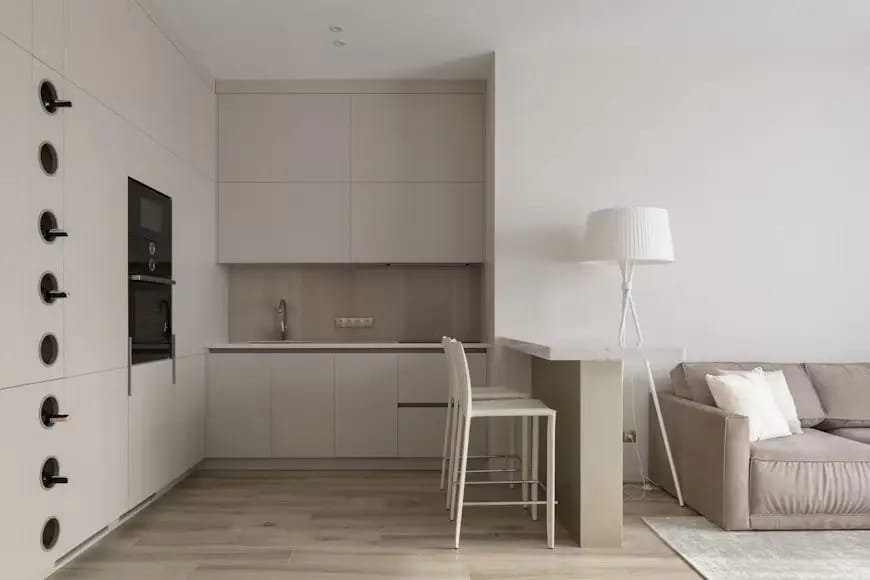
During interior finishing, it is worth incorporating enough enclosed storage systems. Floor-to-ceiling wardrobes, built-in closets, and cabinets with closed fronts help protect belongings from dust while maintaining a visually organized interior.
Particularly useful solutions include:
-
built-in wardrobes with minimal gaps between the units and surrounding walls;
-
overhead storage compartments for seasonal clothing and rarely used belongings;
-
closed kitchen cabinets instead of numerous open shelves;
-
pull-out organizers for household accessories;
-
furniture with internal compartments for storing cleaning products;
-
dedicated storage niches for vacuum cleaners, mops, and other cleaning equipment.
It is important to determine where each category of belongings will be stored in advance. For example, an entryway should ideally include separate compartments for shoes, outerwear, bags, and everyday accessories. In the kitchen, pull-out storage systems are often more convenient because they make it easier to maintain order and find necessary items quickly.
However, eliminating open shelving altogether is unnecessary. A few shelves can remain available for decorative objects or frequently used belongings. The main objective is to avoid turning open storage into the primary location for every household item.
3. Furniture on Legs and Wall-Mounted Structures
The space underneath furniture frequently becomes a collection point for dust, pet hair, and small debris. Cleaning beneath low sofas, beds, dressers, and kitchen cabinets can be particularly difficult.
To make cleaning easier, homeowners should consider furniture with sufficiently high legs or wall-mounted designs. Such solutions provide better access to the floor, accommodate standard vacuum cleaners, and make it easier for robotic cleaning devices to operate.
Some of the most practical options include:
-
wall-mounted bathroom cabinets;
-
kitchen units with carefully designed plinths or support structures;
-
beds with sufficient clearance underneath the frame;
-
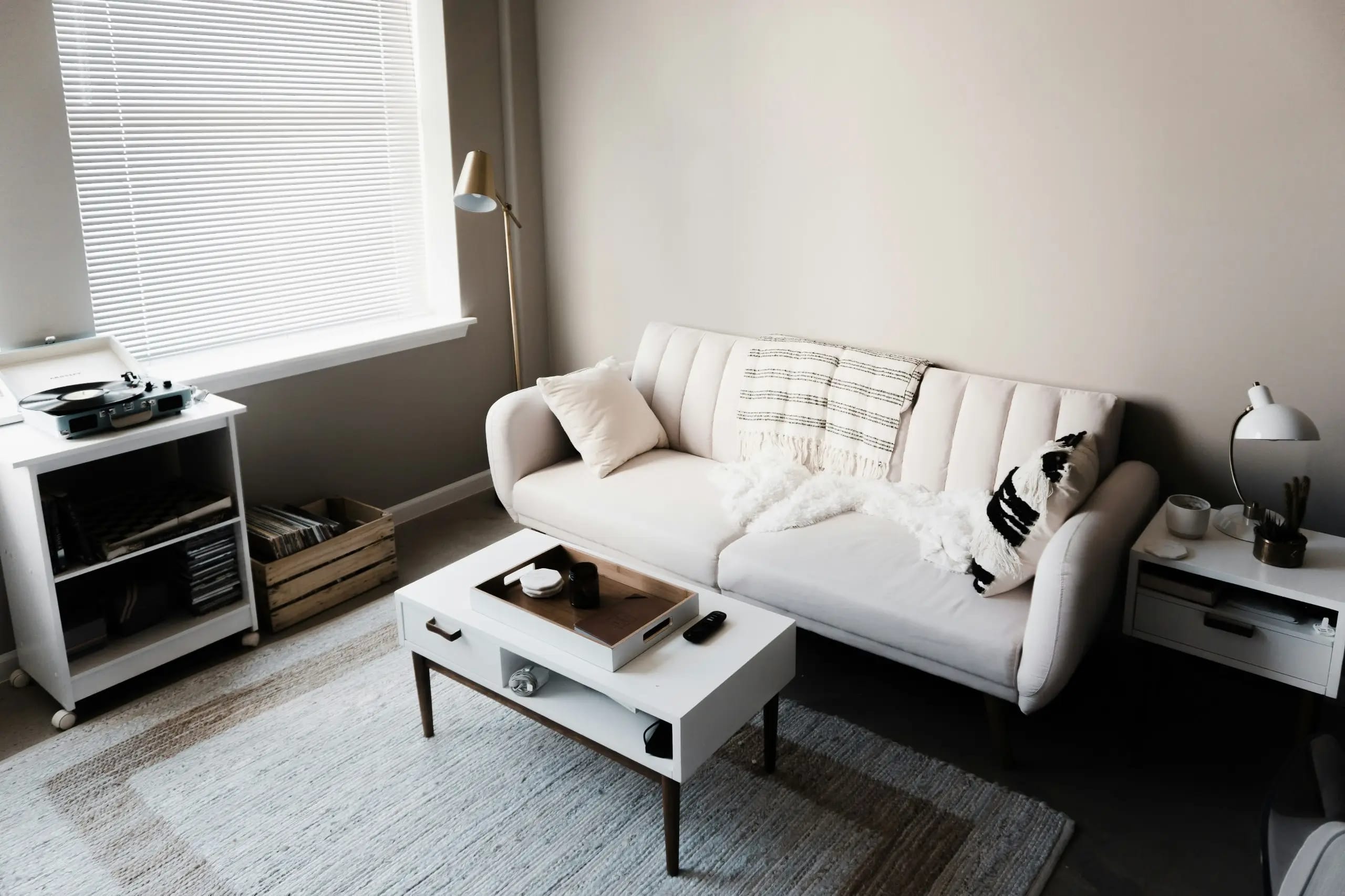
sofas and armchairs with raised legs;
-
floating shelves and consoles instead of bulky floor-standing structures.
However, consistency is important. If a robot vacuum is expected to clean underneath furniture regularly, the clearance should exceed the device's height by a small margin. It is also necessary to check passage widths, corner accessibility, and whether the device can turn around freely.
An alternative is furniture with a closed plinth that completely covers the space underneath the unit. This design also helps reduce dust accumulation because dirt cannot enter an inaccessible cavity. However, homeowners should ensure that removable panels or access points are available wherever utility connections are located nearby.
4. A Kitchen That Is Easy to Clean: Managing Grease and Everyday Stains
The kitchen requires particular attention during the planning stage. Grease deposits, water splashes, food residue, and drink stains appear regularly in this space. Choosing unsuitable materials can make even minor stains difficult and time-consuming to remove.
The first consideration should be the kitchen cabinet fronts. Glossy surfaces can reveal fingerprints, while heavily textured finishes make grease removal more difficult. Smooth matte or semi-matte materials with high-quality protective coatings are often more practical.
Suitable materials for kitchen backsplashes include:
-
large-format porcelain stoneware with minimal grout lines;
-
tempered glass;
-
smooth ceramic tiles;
-
compact laminate panels or other specialized surfaces designed for kitchen applications.
Particular attention should be paid to the area behind the cooktop. The selected material must withstand high temperatures, regular cleaning, and contact with grease. It is also essential to follow the manufacturer's recommendations regarding safe distances from heating appliances.
For countertops, materials with non-porous or properly sealed surfaces are generally preferable. Quartz composite and high-quality compact laminate can be convenient choices because they do not require complicated maintenance. Natural stone also offers an attractive appearance, although certain varieties need periodic protective sealing.
Another useful option is an integrated sink or a model with minimal joints between the basin and countertop. Such designs reduce the number of places where food residue and moisture can accumulate.
The kitchen extractor hood should not be overlooked. Its extraction capacity must correspond to the kitchen's size and ventilation requirements. Regularly cleaning grease filters helps reduce the amount of dirt settling on cabinets, walls, and ceilings.
5. A Bathroom Without Constant Limescale Removal
Bathrooms are exposed to elevated humidity, making it particularly important to select materials that do not absorb water, dry relatively quickly, and are easy to clean.
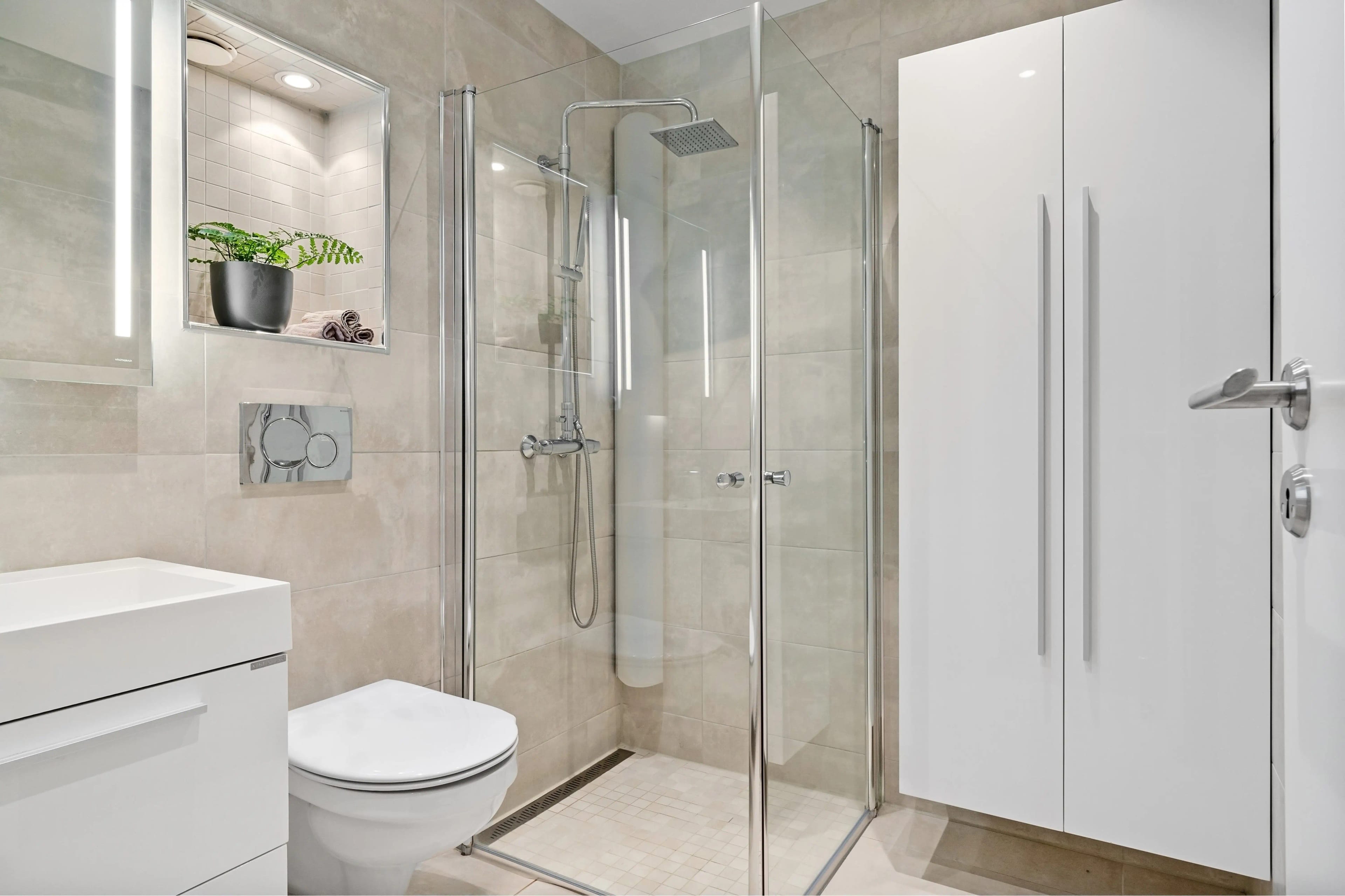
During interior finishing, homeowners should consider the design of the shower area. A walk-in shower without a raised tray, featuring a properly sloped floor and linear drain, creates a contemporary appearance and makes cleaning easier. At the same time, high-quality waterproofing and correct drainage installation are essential.
To simplify bathroom maintenance, consider incorporating:
-
a wall-hung toilet with a concealed cistern;
-
a floating vanity unit beneath the washbasin;
-
large-format tiles;
-
moisture-resistant grout;
-
a glass shower screen with minimal metal fittings;
-
faucets with smooth finishes that withstand household cleaning products;
-
a recessed niche for toiletries instead of additional shelves.
A wall-hung toilet makes it easier to wash the floor around the fixture. The absence of complicated external connections also makes routine cleaning more convenient.
For shower screens, homeowners can choose glass treated with a specialized water-repellent coating. This reduces water droplet adhesion and makes limescale removal easier, although regular maintenance is still necessary.
Ventilation remains another essential factor. When humid air stays in a bathroom for extended periods, condensation forms on surfaces, and unfavorable conditions can encourage mold growth. Therefore, it is worth checking the ventilation duct and installing an extractor fan with a timer or humidity sensor if necessary.
6. Smooth Walls and Finishes That Resist Everyday Stains
Walls also require regular cleaning, particularly in hallways, kitchens, and children's rooms. Standard paper wallpaper and decorative materials with pronounced textures can quickly lose their attractive appearance in frequently used areas.
For a practical interior, washable paints are worth considering. Once dry, these products create a durable coating that can withstand routine cleaning. Homeowners should pay attention to the wet-scrub resistance class and the manufacturer's recommendations for using the product in specific rooms.
Other suitable options include:
-
vinyl wallpaper that allows wet cleaning;
-
decorative panels with smooth surfaces;
-
ceramic wall coverings in functional areas;
-
high-quality paints designed for rooms exposed to frequent use.
In entryways, washable paint is particularly useful because it allows homeowners to remove shoe marks, splashes, and accidental fingerprints. In kitchens, materials should ideally withstand moisture and common household stains.
Proper surface preparation is equally important. Even the most expensive finishing material cannot deliver the expected results if walls contain uneven areas, cracks, or sections with insufficient adhesion. High-quality surface preparation makes future maintenance easier and helps preserve the appearance of the finished interior.
7. Doors, Skirting Boards, and Joints: Small Details That Affect Cleanliness
During interior finishing, homeowners often concentrate on major design elements while overlooking smaller construction details. However, dust and dirt frequently accumulate in precisely these areas.
For example, traditional skirting boards with intricate profiles feature numerous ridges and recesses that require regular cleaning. Models with simple, smooth profiles are considerably more practical.
Another option involves aluminum skirting boards or concealed installation systems. These create a minimalist appearance and can make room maintenance easier.
Door construction also deserves attention. Smooth door panels without numerous decorative sections are easier to clean. If convenient access for a robot vacuum is important, homeowners should check the height of thresholds and the clearance beneath doors.
Particular attention should be given to the joints between different materials. Uneven transitions, unprotected edges, and poorly executed connections can collect dust or retain moisture. Therefore, all transitions between flooring materials should be planned in advance.
8. Lighting and Ventilation: How They Help Maintain Order
Lighting does not directly remove dirt, but it influences how easily household stains and dust can be noticed. If an apartment contains dark corners, poorly illuminated work areas, or incorrectly positioned light fixtures, dirt may remain unnoticed for longer.
During interior finishing, it is advisable to plan several lighting scenarios:
-
general lighting for even illumination throughout the room;
-
task lighting above kitchen work surfaces;
-
mirror lighting in the bathroom;
-
additional light sources in wardrobes and utility rooms;
-
lighting inside storage areas.
At the same time, an excessive number of decorative fixtures with complicated shades can increase cleaning requirements. Exposed bulbs, fabric lampshades, and structures with numerous small components collect dust more quickly.
Ventilation is equally important. A properly designed air exchange system helps regulate humidity, reduces condensation, and removes unwanted odors. In apartments with airtight windows, homeowners should check whether sufficient fresh air can enter the premises.
9. Comparing Interior Solutions That Make Cleaning Easier
To determine which finishing elements deserve the most attention, it is useful to compare popular solutions according to their impact on everyday maintenance.
| Interior element | Practical solution | Main advantage |
|---|---|---|
| Flooring | Large-format porcelain tiles | Fewer grout lines and easier cleaning |
| Living area flooring | Quartz vinyl | Easy maintenance and moisture resistance |
| Walls | Washable paint | Allows everyday stains to be removed |
| Kitchen cabinet fronts | Smooth matte surfaces | Fewer difficult areas to clean |
| Kitchen backsplash | Glass or large-format tiles | Minimal joints and fewer porous surfaces |
| Furniture | Wall-mounted or raised designs | Better access to the floor |
| Wardrobes | Built-in floor-to-ceiling units | Fewer exposed surfaces where dust can accumulate |
| Bathroom | Wall-hung sanitary fixtures | Easier floor cleaning |
| Shower area | Glass with a water-repellent coating | Easier removal of droplets and limescale |
| Skirting boards | Smooth models with simple profiles | Fewer recesses where dirt can collect |
| Ventilation | Extractor fan with a humidity sensor | Better humidity control and less condensation |
When selecting materials and fixtures, homeowners should consider more than cleaning convenience. Durability, material costs, installation complexity, and compatibility with specific operating conditions are equally important.
10. Robot Vacuums and Other Technologies to Consider During Interior Finishing
Modern household appliances can significantly reduce the time required for cleaning. However, the effectiveness of robotic devices largely depends on how well the interior space has been prepared.
If a robot vacuum is part of the household cleaning routine, several factors should be considered in advance:
-
Furniture clearance. The device should be able to move freely underneath sofas, beds, and cabinets or navigate around them.
-
Thresholds. Significant differences in floor height can make movement between rooms more difficult.
-
Cables. Electrical wires should ideally be concealed in cable channels or specially designed recesses.
-
Charging station location. The device requires a level floor area with access to an electrical outlet.
-
Furniture layout. Narrow passages and numerous small objects on the floor can reduce cleaning efficiency.
Additional options include automated lighting controls, water leak sensors, and other devices that help monitor the condition of the property. For example, a leak detector can provide an early warning of an emergency, reducing the risk of serious contamination and damage to floors or furniture.
However, automation should not make everyday life more complicated. The best results come from combining a well-planned layout, practical finishing materials, and appliances that match the actual needs of the household.
11. Why Cleaning Convenience Should Be Planned Before Finishing Work Begins
Most decisions affecting the difficulty of everyday cleaning should be made before finishing work starts. Once the project is completed, changing furniture heights, relocating plumbing fixtures, modifying ventilation systems, or replacing all flooring materials will be considerably more expensive.
For this reason, an interior design project should account not only for the appearance of the future space but also for its practical use. Furniture placement, passage widths, surface materials, skirting board heights, and storage configurations should function as a coordinated system.
Professional planning helps align technical and aesthetic requirements in advance. More information about individual interior design projects is available on the RSU interior design services page. During the planning stage, it is worth discussing household routines, pets, storage requirements, and preferred cleaning frequency with the designer.
Quality control during the finishing process is equally important. Even carefully selected materials cannot provide the expected convenience if tiles are installed with uneven grout lines, plumbing fixtures have poorly executed connections, or the ventilation system does not function properly. Finishing work therefore requires effective organization and verification that completed tasks comply with the project specifications.
RSU offers apartment finishing services. Further information is available on the RSU apartment finishing services page in Kyiv. During project implementation, attention should be paid not only to decorative finishes but also to the correct installation of engineering systems, surface coverings, and furniture structures.
Technical supervision can serve as a separate stage of quality assurance. It allows specialists to inspect various structural and engineering elements, including floors, walls, ceilings, ventilation, water supply, drainage, and electrical systems. More information about this service is available on the RSU technical supervision page.
Conclusion
The convenience of everyday cleaning largely depends on decisions made during the initial stages of interior finishing. Practical flooring materials, smooth walls, enclosed storage systems, wall-mounted furniture and sanitary fixtures, properly designed ventilation, and carefully planned lighting all help reduce the number of places where dust and dirt can accumulate.
The best results come from a comprehensive approach. Homeowners should not focus exclusively on selecting materials or purchasing modern household appliances. Every interior element should meet the everyday needs of residents without creating unnecessary maintenance difficulties.
A practical interior does not necessarily require expensive materials or complicated technological solutions. In many cases, it is enough to eliminate excessive decorative structures, provide convenient storage areas, and select appropriate surface finishes. As a result, the apartment requires less time to maintain, while keeping it clean becomes a normal part of everyday life rather than a separate and exhausting task.