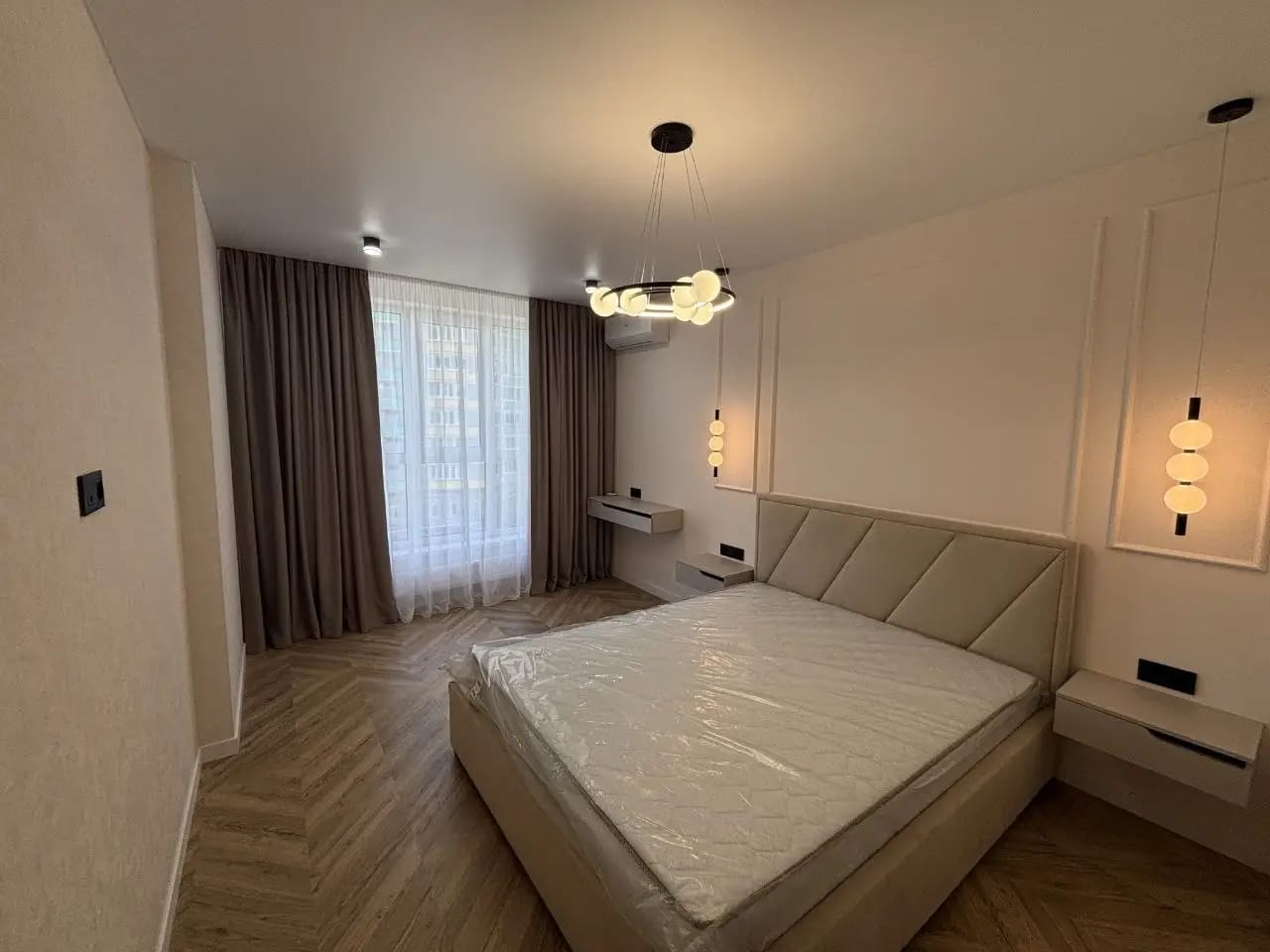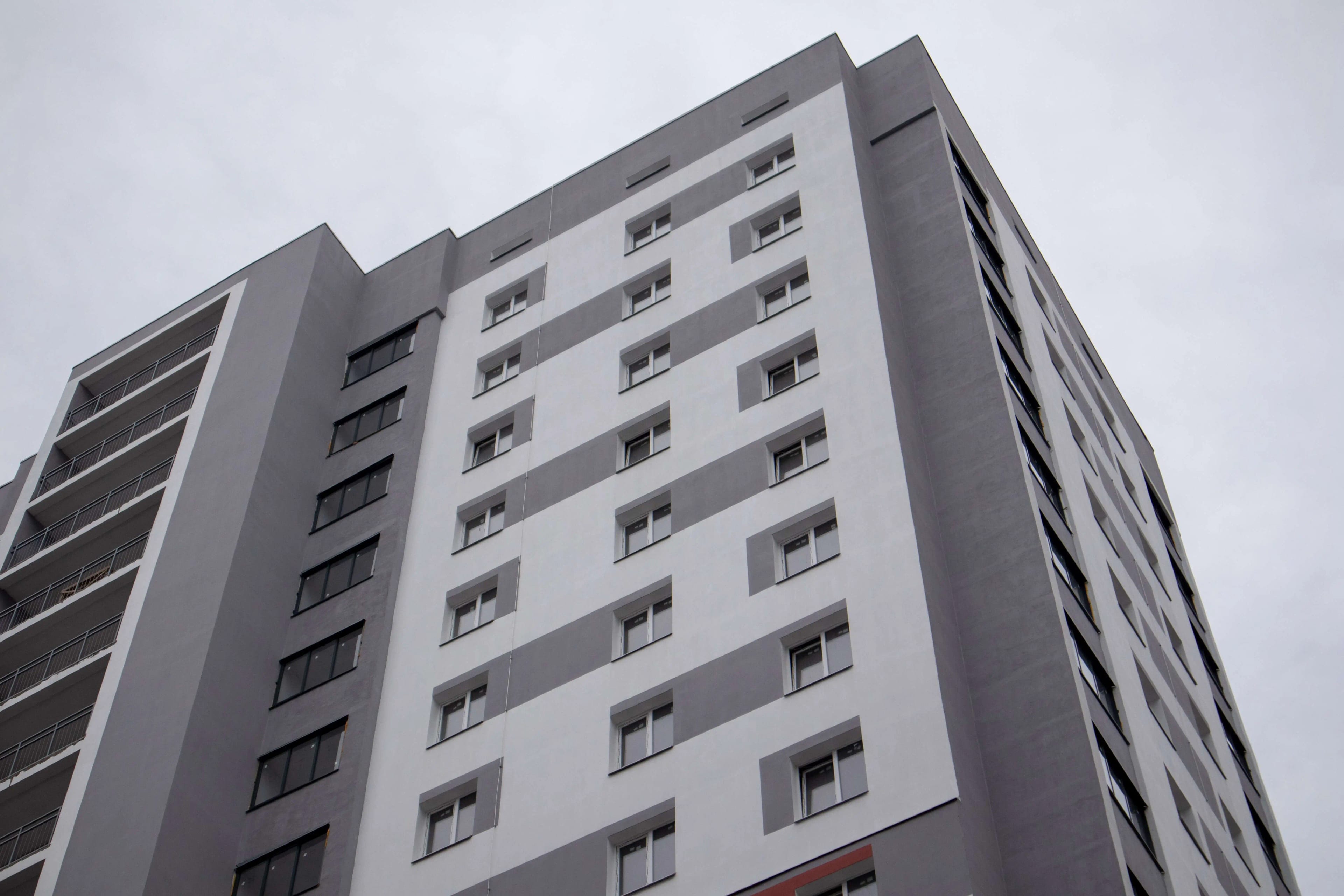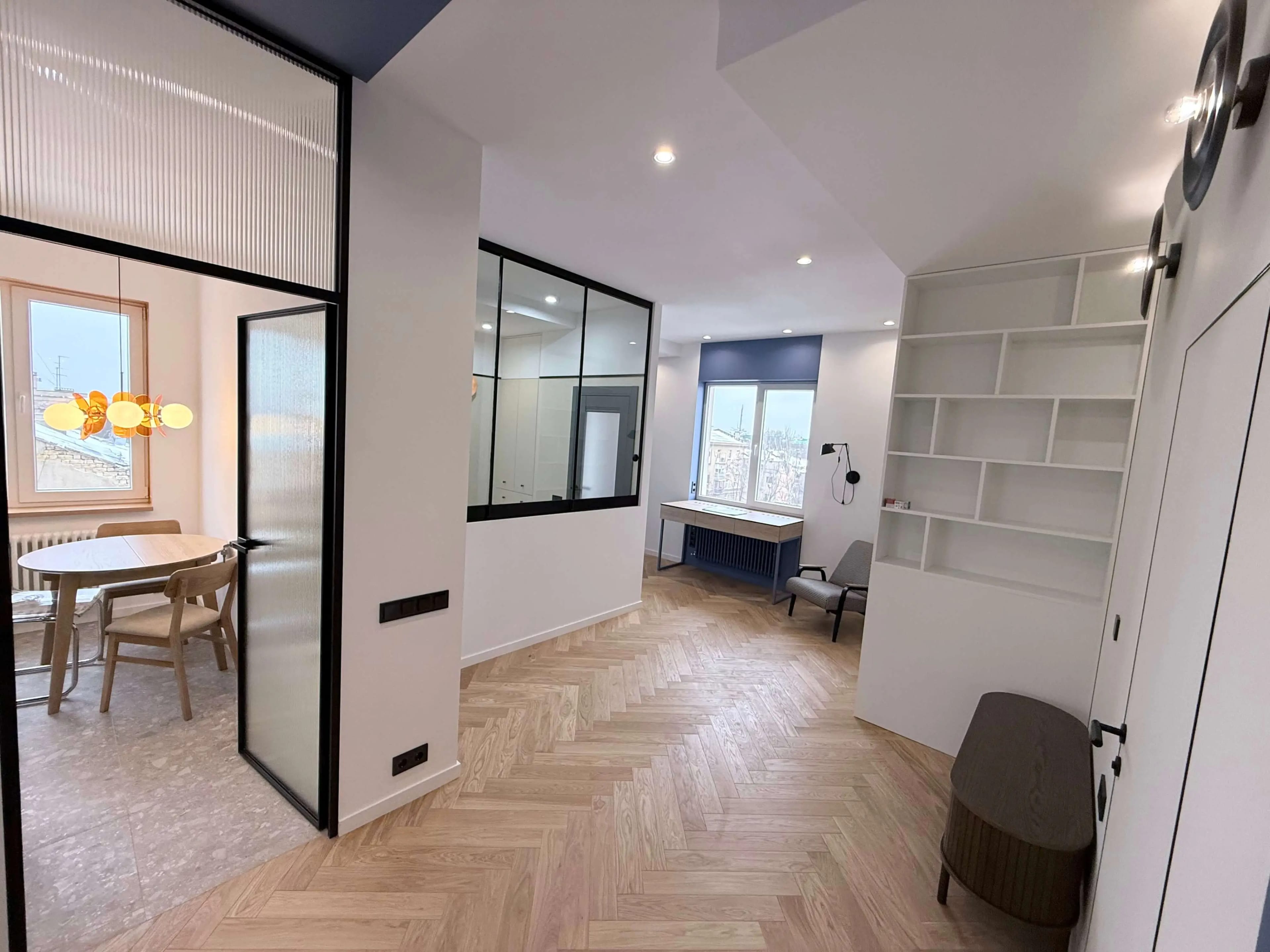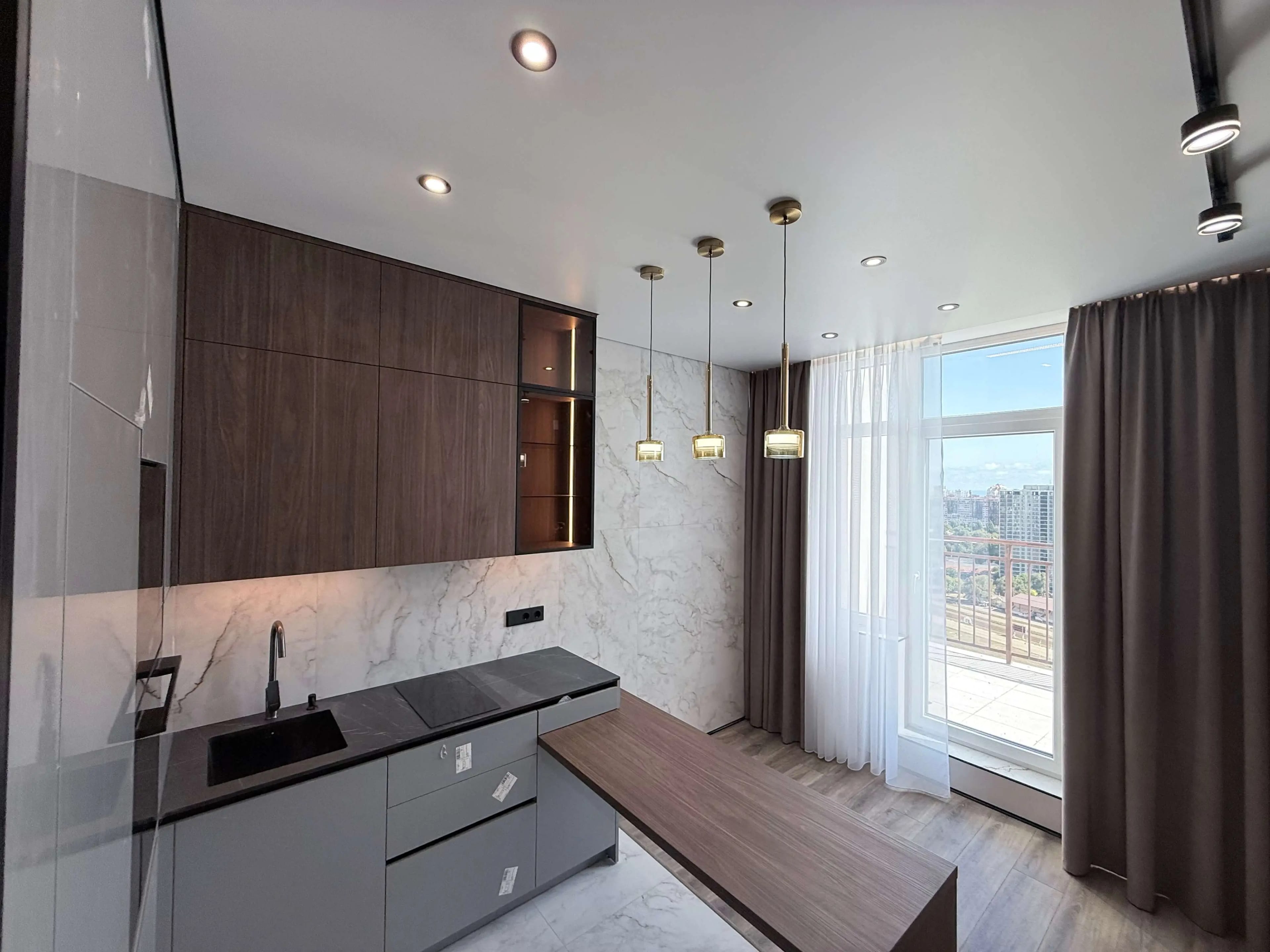
Finishing an apartment on a turnkey basis can rarely be reduced to one universal number. The completion time depends not only on the floor area, but also on the condition of the property, its layout, the number of installations, the complexity of the finishing, the selected materials and the organization of the entire process.
It is important to remember that apartment finishing begins long before the teams appear in the property. First, the owner learns about the company's approach, discusses their expectations, agrees on the terms of cooperation, accepts the property from the developer, and then the team moves on to preparing the project and implementing it.
Therefore, the question "how long does apartment finishing take" is better viewed not as a search for one specific number, but as an assessment of the entire journey from the first meeting to the handover of the completed property.
At RSU, the process is organized around several main stages. Each of them may include additional sub-stages, while the specific sequence of construction and finishing works depends on the characteristics of the apartment and the tasks that need to be completed.
For example, in one apartment, it may first be necessary to change the layout and install all utilities, while in another, some preparatory work can be organized differently. One property may have a single bathroom, while another may have several. One project may involve standard finishing, while another may include complex decorative solutions and custom-made furniture.
Therefore, the actual schedule is created with the specific property in mind.
What Determines How Long Apartment Finishing Takes
Even two apartments with the same floor area may require different completion times. The number of square meters matters, but it does not provide the full picture.
The completion time is influenced by:
- the floor area of the apartment;
- the number of rooms;
- the property's initial condition;
- the presence of existing finishes;
- the need for demolition work;
- changes to the layout;
- the number of bathrooms;
- the scope of electrical work;
- the scope of plumbing work;
- the complexity of the ceilings;
- the area covered with tiles;
- the type of flooring;
- the specifics of painting work;
- the number of decorative structures;
- custom-made furniture;
- production times for individually manufactured elements;
- material availability;
- delivery organization;
- the speed of decision-making;
- coordination between different specialists.
The technology and sequence of the work are also important factors. Some tasks can be performed simultaneously, while others must be completed before the next stage can begin.
For example, concealed electrical and plumbing installations must be completed before the relevant surfaces are finally closed. Screeds, plaster and other materials need sufficient time to dry. Final finishing should only begin after the substrate has been properly prepared.
Therefore, reducing the duration of the work does not always mean simply increasing the number of workers. Proper process organization and compliance with the required technology are essential.
How Long Does Turnkey Apartment Finishing Take
Turnkey finishing consists of many interconnected processes. The completion time depends on the result that needs to be achieved and the condition of the apartment at the beginning of the project.
A small apartment without complicated layout changes usually requires a smaller scope of work. A large apartment with several bathrooms, a non-standard layout and numerous installation solutions requires more time.
It is also important to distinguish between a new apartment from a developer and a property purchased on the secondary market.
A new apartment often has no old finishes that need to be removed. However, the property may be handed over without final finishing, meaning that a significant amount of work still has to be completed practically from scratch.
In a secondary-market apartment, the existing finishes, sanitary equipment, doors or partition walls often need to be dismantled before the new finishing can begin. Once the old materials are removed, additional issues concerning the surfaces or installations may also become apparent.
Therefore, the actual completion time can only be determined after assessing the specific property.
How Apartment Finishing at RSU Works: From the First Meeting to Property Handover
At RSU, the working process is based on six main stages. They define the overall structure of cooperation with the client, but they do not mean that every apartment follows exactly the same sequence of work.
Every property has its own characteristics. Therefore, each main stage may contain additional sub-stages, while specific tasks are performed in an order appropriate to the apartment's layout, project, condition, selected materials and technological requirements.
1. Meeting at the RSU Showroom
The first stage begins before any work takes place directly in the apartment. The client meets with RSU specialists in the showroom.
Here, the client can see the materials, discuss finishing options and learn more about the packages offered by the company.
During the meeting, it is important to determine the owner's main expectations:
- what type of finishing is required;
- what the future interior should look like;
- which rooms require particular attention;
- which materials the owner prefers;
- which functional solutions are priorities;
- which expectations should be taken into account when preparing the project.
This stage directly influences the further organization of the work. The better the team understands the client's requirements before implementation begins, the lower the risk of changes appearing during the actual work.
2. Signing the Contract and Opening a Personal Project Dashboard
Once the basic terms have been agreed, the parties proceed to signing the contract.
RSU representatives review the key provisions of the document with the client so that the terms of cooperation are clear before the work begins.
After the contract is signed, a personal online project dashboard is opened in Roomskey. It is used to organize work on the specific property and facilitate communication at different stages.
Formalizing the arrangements at the beginning of the process has practical importance. The owner should understand the format of cooperation, which services are included and how the further process will proceed.
3. Accepting the Apartment from the Developer
For an apartment in a new building, another important stage is accepting the property from the developer.
Before finishing begins, the actual condition of the property needs to be assessed. The apartment plan shows its layout, but it does not replace a direct inspection of the property.
During the handover, characteristics that need to be taken into account during further work can be identified. They may concern surfaces, installations, windows, doors and other elements of the apartment.
The information obtained becomes the basis for subsequent decisions.
For the owner, it is important to understand that finishing does not begin in an abstract "ideal" space. The team works with the actual apartment, so its real condition affects the planning process.
4. Project Preparation
After the property has been accepted, the team moves on to project preparation.
RSU carefully analyzes the client's expectations and prepares several solutions to choose from. At this stage, the foundation for the future finishing is created.
Depending on the specific project, the following may be determined:
- room layout;
- function of individual rooms;
- furniture placement;
- electrical points;
- lighting;
- sanitary fixtures;
- finishing materials;
- color solutions;
- ceiling structures;
- flooring;
- tiled surfaces;
- decorative elements;
- other details of the future interior.
The project makes it possible to connect the different elements of the future finishing. For example, the placement of kitchen furniture affects electrical points, plumbing and lighting. The location of sanitary fixtures affects the installations. The choice of flooring can determine the requirements for preparing the substrate.
Therefore, thorough preparation before implementation reduces the number of decisions that have to be made directly on site.
5. Project Implementation
Implementation is the most extensive stage because this is when the planned solutions are transformed into a finished interior.
RSU carries out the necessary work and organizes the purchase of materials.
At the same time, implementation should not be viewed as one uninterrupted process. A specific sequence of work is established within this stage.
It may include:
- preparing the apartment;
- demolition work, if required;
- construction or modification of partition walls;
- installation of electrical systems;
- plumbing work;
- surface preparation;
- screed installation;
- waterproofing of the required areas;
- plastering;
- tile installation;
- preparing walls for painting;
- painting;
- flooring installation;
- ceiling installation;
- door installation;
- sanitary fixture installation;
- lighting installation;
- installation of sockets and switches;
- furniture installation;
- final works.
However, the exact sequence may be different.
If the apartment requires changes to the layout, the relevant construction work is carried out first. If the property already has finished partition walls and no layout changes are required, this stage may be skipped.
An apartment with several bathrooms will have a larger scope of plumbing and tiling work. If the project includes complex ceiling structures, their installation must also be incorporated into the overall process.
Some works can be performed simultaneously in different rooms. Others can only begin after an earlier stage has been completed.
For example, electrical wiring and plumbing installations need to be completed before the relevant surfaces are closed with final finishing materials.
After the substrate has been prepared, plastering and screed work can be carried out. Once the surfaces are ready, final finishing begins. At the appropriate stage, tiling, painting, flooring, ceiling installation and other works are performed.
At the final stage, doors, sanitary fixtures, lighting, sockets, switches, furniture and other elements included in the project are installed.
This means that the transition from one type of work to another depends on the specific apartment and the technological logic of the project.
6. Property Handover
The final stage is handing over the completed property.
Before the apartment is handed over, all works included in the project are completed, the result is checked and any minor issues are addressed.
The completed property is then handed over to the owner.
Handover is not merely a formal conclusion to the work. It closes the entire cycle, which began with the meeting in the showroom, continued with accepting the apartment and preparing the project, and then moved into implementation.
What Happens Within the Implementation Stage
During implementation, the owner usually sees the largest number of teams and different types of work. However, this does not mean that the process is chaotic.
A possible sequence may look like this:
- Preparing the room.
- Demolition, if required.
- Construction or modification of partition walls.
- Installation of concealed utilities.
- Surface preparation.
- Screed installation and other basic works.
- Waterproofing of the required areas.
- Preparation for final finishing.
- Tile installation.
- Painting and other finishing works.
- Flooring and ceiling installation.
- Door installation.
- Installation of sanitary fixtures and lighting.
- Installation of furniture and other final elements.
- Final inspection and preparation of the apartment for handover.
The above sequence is an example of how the work may be organized, rather than a mandatory scheme for every apartment.
In an actual project, individual items may change order, be combined or be carried out simultaneously. For example, while finishing work is taking place in one room, other planned tasks may be carried out in another.
The ability to organize this cooperation properly has a direct impact on the total finishing time.
Why There Is No Identical Schedule for Every Apartment Within the Same Stage
A universal finishing scheme with exactly the same number of days allocated to every type of work would be convenient for calculations, but it would not reflect real conditions.
A 50 m² apartment may have a more complicated layout than a 70 m² property. One bathroom may have a simple finish, while another may include a complex tile layout and numerous technical solutions.
The condition of a new apartment after handover from the developer may also vary. In one case, the surfaces may require extensive preparation, while in another, some tasks may be simpler.
Therefore, the correct logic looks like this:
- main stage;
- additional sub-stages;
- specific works;
- readiness check;
- transition to the next stage.
This approach makes it possible to avoid relying on a template that may not suit a particular property.
Why the Finishing Timeline May Be Extended
Even a well-planned process depends on the owner's decisions, materials and the actual condition of the apartment.
The most common causes of delays include:
- changes to the room layout during the work;
- late approval of materials;
- delivery delays;
- the need to reorder individual elements;
- additional problems discovered after demolition;
- changes to project decisions;
- lack of required materials;
- late production of furniture or doors;
- disruption of the work sequence;
- insufficient coordination between specialists.
For example, if tiles in the selected format are not available in stock, the work may have to be suspended or moved to another area. If the owner changes the layout after the electrical installation has been completed, some work may have to be performed again.
Therefore, meeting deadlines depends not only on controlling the teams, but also on properly preparing the project itself.
How Materials Affect the Finishing Time
Materials are directly connected to the schedule.
If the required material is already available on site, the team can move on to the next stage according to plan. If it has to be ordered only after the previous stage has been completed, a gap may occur.
This applies particularly to:
- tiles;
- doors;
- sanitary equipment;
- lighting;
- furniture;
- decorative structures;
- materials with long delivery times.
Therefore, purchasing materials is part of the organization of the finishing process rather than a secondary issue.
At RSU, project implementation includes carrying out the work and organizing the purchase of the necessary materials, allowing the construction process to be coordinated with the provision of the required elements.
Why Changes During Finishing Affect the Completion Time
Changing one decision may seem insignificant if you look only at the correction itself. However, its consequences may affect several interconnected works.
For example, moving an electrical outlet may require:
- changing the electrical layout;
- relocating a cable;
- additional wall preparation;
- repeating the finishing work;
- changing the placement of furniture or equipment.
Therefore, the principle of "we'll decide on site" often creates more problems than initially expected.
The more basic decisions are agreed before implementation begins, the more stable the entire process will be.
How the Owner Can Help Keep the Schedule
The owner also has an influence on the completion time. Even a well-organized team can lose time if an important decision remains unapproved for too long.
Before work begins, it is worth determining:
- the preferred style;
- the function of each room;
- the basic materials;
- furniture placement;
- household appliances;
- sanitary equipment;
- lighting;
- electrical points;
- specific finishing requirements.
During implementation, it is important to respond quickly to questions that require the owner's decision.
This is particularly important when there are several possible options. The faster a decision is made, the lower the risk of a gap arising between stages.
Why Turnkey Apartment Finishing Helps Organize the Process
Organizing finishing work independently means maintaining ongoing cooperation with numerous specialists. You have to find teams, establish the order in which they will work, purchase materials, organize deliveries and control the connections between individual stages.
With turnkey apartment finishing, a significant part of these responsibilities is handled by the company.
For the owner, this means they do not have to coordinate the electrician, plumber, tiler, painter and other specialists themselves. What matters is agreeing in advance which exact works are included in the selected service.
More information about RSU services is available on the page apartment finishing in Odessa.
Turnkey apartment finishing does not mean that every apartment is completed according to an identical scheme. On the contrary, one of the main advantages of a comprehensive approach is the ability to coordinate different types of work within a single project.
How to Monitor the Finishing Process
Monitoring does not mean that the owner has to be at the property every day. Much more important is understanding the current stage of the project and which works should be completed next.
It is worth monitoring:
- the current stage;
- completed works;
- the next scheduled works;
- material availability;
- possible changes;
- issues requiring a decision;
- readiness to move to the next stage.
This approach makes it possible to identify problems early.
For example, if a particular material has not yet been ordered, it is better to find out before the moment when the team actually needs it.
The same applies to custom-made furniture, doors and other furnishing elements. Their production should be taken into account during planning rather than at the very end of the finishing process.
New Apartment vs. Secondary Market: How the Process Differs
Finishing a new apartment and finishing a secondary-market property start from different points.
For a new apartment, an important first step is accepting the property from the developer. The team can then move on to project preparation and implementation.
In a secondary-market apartment, the existing materials often need to be dismantled and the condition of the substrate assessed before new finishing can begin. As a result, the process may include additional sub-stages.
On the page apartment finishing in new buildings, you can learn more about RSU's approach to this type of property.
At the same time, even properties within the same category can differ significantly. Therefore, assessing the completion time solely on the basis of whether the apartment is new or previously owned is also insufficient.
Is It Possible to Speed Up Apartment Finishing?
Reducing the completion time is primarily possible through proper organization.
The following can help:
- preparing the project before implementation begins;
- selecting materials on time;
- purchasing the necessary elements in advance;
- establishing a clear work sequence;
- coordinating specialists;
- approving decisions quickly;
- performing tasks in parallel where it is technically safe to do so;
- checking the readiness of each stage.
However, speeding up the process should not come at the expense of technological requirements.
If a material needs time to dry, artificially shortening this period can affect its quality. If a surface has not been properly prepared, starting the next stage increases the risk of defects.
Therefore, the right goal is not to complete the finishing as quickly as possible, but to eliminate unnecessary downtime.
How to Determine the Actual Finishing Time for Your Apartment
To obtain a realistic estimate, the specific characteristics of the property need to be taken into account.
The following are important during planning:
- floor area;
- number of rooms;
- condition of the apartment;
- scope of demolition work;
- need for layout changes;
- number of bathrooms;
- installations;
- scope of finishing work;
- complexity of the project;
- materials;
- furniture;
- equipment;
- individual expectations of the owner.
The next step is to establish the sequence of works and determine which stages will be carried out one after another and which can be performed simultaneously.
This provides a much more accurate picture of the completion time than relying on a general statement that "finishing takes several months."
For every apartment, the schedule should be linked to the specific project.
The Portfolio Helps Evaluate the Results
Before choosing a contractor, it is useful for the owner to see not only a description of the services but also examples of completed projects.
In the RSU portfolio, you can view completed projects and evaluate the approach to different types of interiors.
A portfolio does not determine the completion time of a particular project, but it allows you to assess the quality of execution and see how different solutions look after the work has been completed.
Summary: The Finishing Time Depends on the Specific Project
There is no single correct answer to the question "how long does apartment finishing take" for every property.
The completion time depends on:
- floor area;
- condition of the apartment;
- room layout;
- number of rooms;
- installations;
- scope of finishing work;
- materials;
- project complexity;
- organization of purchases;
- coordination of specialists;
- number of changes introduced during implementation.
At RSU, the work is organized around six main stages: a meeting in the showroom, signing the contract and opening a personal project dashboard, accepting the property from the developer, preparing the project, implementation and property handover.
At the same time, the implementation stage does not follow an identical scenario for every apartment. It has its own additional structure of works. This may include preparation, demolition, layout changes, installations, surface preparation, tile installation, painting, flooring, ceilings, doors, sanitary equipment, lighting, furniture and final works.
The exact works and their sequence depend on the specific apartment and project. Some processes can be carried out simultaneously, while others require the previous stage to be completed.
Therefore, the exact completion time is better determined not by relying on an average figure, but after assessing the specific property and its requirements.
If you are planning to finish an apartment in a new building or want to completely renovate an existing property, you can contact RSU for an individual project assessment. On the page apartment finishing services at RSU, you can learn more about the working format and submit an inquiry.
This makes it possible to move from a general question about timing to a specific plan: what needs to be done, in what order the work will be performed and when the apartment will be ready for handover.