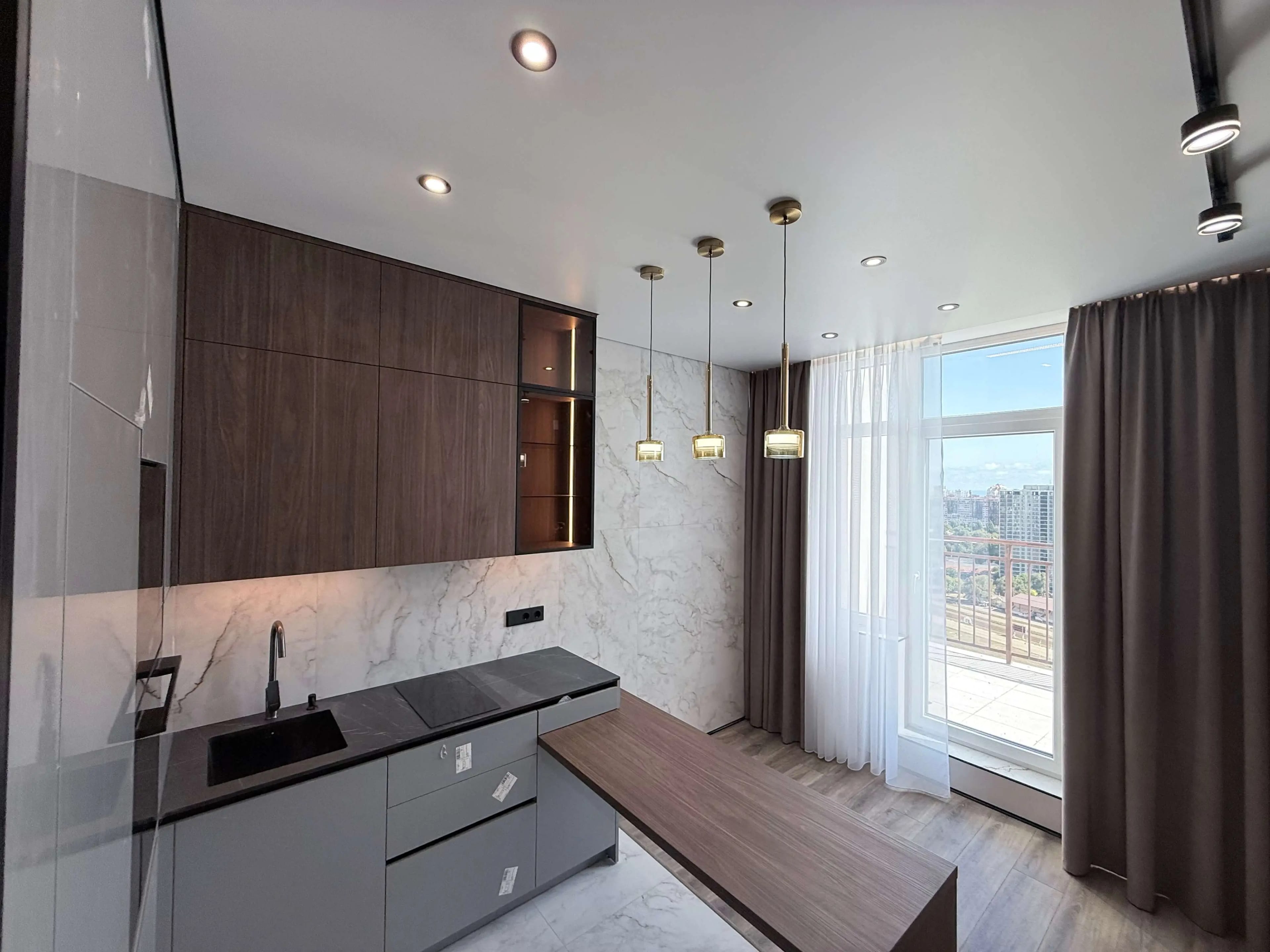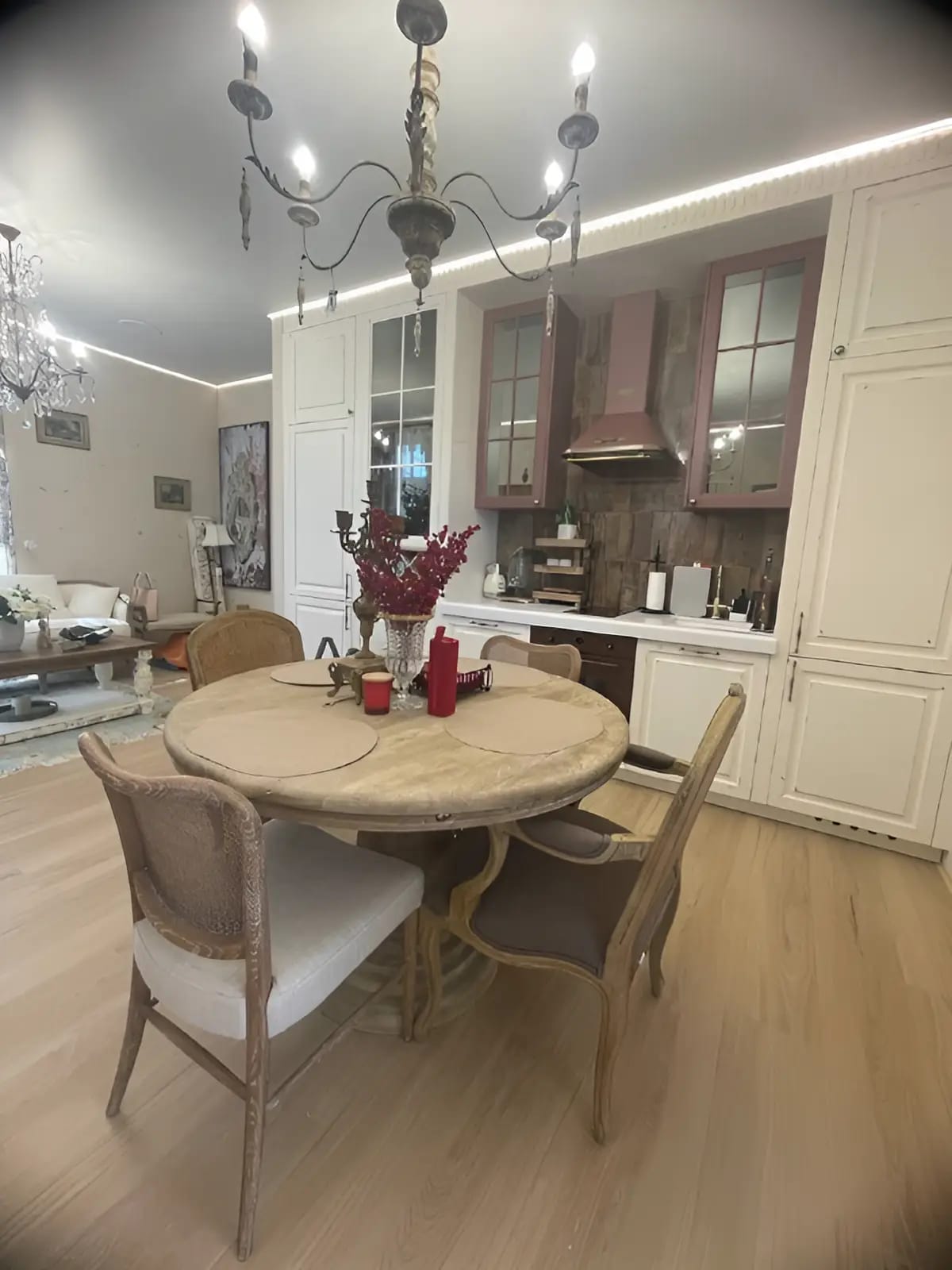
Buying an apartment in a new building is only the beginning of the journey toward creating a comfortable living space. After receiving the keys, owners face an important question: should they start the finishing work immediately, or is it better to wait a few months? At first glance, the answer seems simple: the sooner the work begins, the sooner the apartment will be ready to move into. In practice, however, the timing depends on several factors that can affect both the completion schedule and the final cost.
In Ukraine, planning finishing work also involves additional challenges. Power outages, security concerns, seasonality, material availability, and logistical difficulties can significantly affect the original schedule. That is why, before making a decision, it is important to assess not only the condition of the apartment but also the conditions under which the work will be carried out.
Is It Worth Starting the Finishing Work Immediately After Receiving the Keys?
In many cases, starting the work immediately after taking possession of the apartment makes sense. If the building has been commissioned, the utilities are functioning properly, and contractors can begin without difficulty, there is no need to postpone the finishing work for several months.
Starting early allows owners to prepare the apartment for occupancy sooner, plan material deliveries in advance, and avoid additional waiting time for a finishing team. This is particularly important for people who are renting another property and want to reduce their rental expenses as quickly as possible.
However, this does not mean that starting immediately is always the best option. Sometimes, it is more reasonable to wait until the building and its utilities are fully ready for use, indoor conditions have stabilised, and the owner has an appropriate budget and a detailed work plan.
The most important thing is not to start the finishing work as early as possible, but to choose the right moment to begin.
What Factors Affect the Timing of Finishing Work?
1. Building Readiness and the Condition of Utility Systems
The first step should be to check whether the building is genuinely ready for finishing work. Receiving the keys does not always mean that all technical systems are operating properly or that the apartment can be used without restrictions.
It is worth checking:
-
whether the electrical system is connected and functioning;
-
whether water is available;
-
whether the sewage system is working;
-
whether the heating system is operational, if heating is required at that time;
-
whether lifts and common areas are accessible;
-
whether construction work is still taking place in the building and could interfere with material deliveries or contractors' work.
If intensive construction work is still underway, additional difficulties may arise, including dust, noise, restricted lift access, and problems transporting materials to upper floors.
In this situation, it is worth asking the building management when conditions are likely to allow work to proceed smoothly. Finishing work may be possible earlier, but the schedule should account for potential delays.
2. Power Outages and the Energy Situation in Ukraine
One of the important factors currently affecting the planning of finishing work in Ukraine is the possibility of power outages. Depending on the region and the current energy situation, electricity interruptions may be brief or last for extended periods.
This directly affects how work is organised. Contractors use power tools, lighting, measuring equipment, and machinery for processing materials. Without a stable power supply, some tasks may take longer or require changes to the schedule.
Power outages can also affect lifts, making it more difficult to transport heavy construction materials. In some buildings, additional restrictions may arise in relation to water supply or the operation of other utility systems.
For this reason, before starting the finishing work, it is worth:
-
checking whether the building experiences regular power outages;
-
finding out whether an alternative power source is available;
-
agreeing with the contractor on how work will be organised during outages;
-
scheduling the most power-intensive tasks around periods when electricity is available;
-
allowing for potential delays in the overall schedule.
Some tasks can be carried out with limited access to electricity, while others require properly functioning equipment. Organising the work in the right sequence can therefore help reduce downtime.
It is also worth considering the current energy situation when scheduling material deliveries and contractors' working hours. More information about electricity supply disruptions is available in this report on power outages.
3. Season and Weather Conditions
The time of year also matters, particularly if the apartment requires wet work, such as plastering, screed installation, or wall filling.
In new buildings, it is important to maintain appropriate temperature and humidity levels. Some materials require specific conditions to dry properly and achieve their intended properties. Low temperatures, excessive humidity, or inadequate ventilation can extend drying times and negatively affect the quality of the finish.
In summer, it may be easier to provide suitable conditions, but high temperatures can also cause problems. Some compounds may dry too quickly, making them more difficult to apply and work with properly.
In winter, it is particularly important to check whether the building is heated and whether a stable indoor temperature can be maintained. If this is not possible, some wet work may need to be postponed until conditions improve.
This does not mean that finishing work cannot be carried out in winter. The key is to adapt the technology and schedule to the manufacturers' recommendations and the actual conditions on site.
4. Building Settlement and Structural Condition
Owners of apartments in new buildings often wonder whether they should wait for the building to settle before starting the finishing work.
It is important to distinguish between natural changes that occur in a new building and serious structural problems. Buildings may undergo minor movements, and small cracks can sometimes appear on walls or at the joints between structural elements. This does not automatically mean that all work must be postponed for a long period.
The relevant factors include the construction technology, the condition of the structure, the quality of the workmanship, and any recommendations made by specialists. There is no single waiting period that is appropriate for every new building.
Before starting work, it is worth inspecting the apartment carefully and looking for visible cracks, signs of moisture, and other potential problems. If there are concerns about the structural condition, it is best to consult a qualified specialist.
Particular attention should be paid to finishes that are sensitive to movement in the underlying structure, such as certain types of tiles, delicate decorative coatings, and surfaces with high aesthetic requirements. Choosing appropriate materials and installation methods can help reduce the risk of future defects.
5. Budget and Preparation of a Cost Estimate
Before starting the work, it is worth determining the financial resources available to the apartment owner. Even if the property does not require complicated work, the cost of materials, labour, transport, and fittings can be substantial.
Starting the finishing work without a detailed financial plan often leads to a situation in which the project has to be paused because funds run out. Such interruptions can delay the move-in date and increase the overall cost.
That is why it is advisable to prepare a cost estimate for the finishing work before making a decision. It should account not only for materials and labour but also for delivery, waste removal, possible additional work, and a contingency fund for unexpected expenses.
It is equally important to establish priorities. If the budget is limited, the project can be divided into stages, with essential work completed first to make the apartment usable, followed by decorative elements and additional fittings.
However, it is not advisable to cut costs on tasks that affect safety and durability, such as proper installation of utility systems, surface preparation, or waterproofing in areas where it is required.
6. Material Availability and Logistics
Another important factor is the availability of construction and finishing materials. Some products can be purchased immediately, while others need to be ordered in advance. This is particularly relevant for non-standard doors, tiles, bathroom fittings, made-to-measure furniture, and specific types of flooring.
Before starting work, it is worth identifying which materials will be needed during the initial stages and checking their availability. This helps prevent situations in which the finishing team is ready to work but cannot proceed because essential products have not arrived.
In Ukraine, transport conditions, warehouse availability, and potential logistical disruptions also matter. In multi-storey buildings, it is additionally necessary to consider lift-use rules, delivery hours, and the availability of space for storing materials.
It is not always necessary to purchase everything at once. In many cases, ordering materials according to the work schedule is more practical, provided that the key products have been selected in advance and their availability confirmed.
7. Availability of a Finishing Team
Even if an apartment is ready for work, this does not necessarily mean that a suitable finishing team will be available immediately.
Experienced contractors often have busy schedules, so it is worth starting the search in advance. This allows owners to compare offers, discuss the scope of work, and agree on a realistic start date.
When choosing a contractor, price should not be the only consideration. Experience, the quality of previous projects, the transparency of the cost estimate, the terms of cooperation, and the way additional work is charged are all important.
Before signing an agreement, it is worth clarifying:
-
the scope of work and the order in which tasks will be completed;
-
the estimated start and completion dates;
-
the arrangements for purchasing and delivering materials;
-
how additional work will be priced;
-
the acceptance criteria for individual stages;
-
responsibility for the quality of the work.
A well-organised working relationship helps reduce the risk of misunderstandings and unnecessary delays.
8. Security Situation and the Risk of Unexpected Interruptions
In Ukraine, planning apartment finishing work also requires consideration of the security situation. Air raid alerts, restrictions on movement, power outages, and other unforeseen circumstances can affect the pace of work.
It is not always possible to predict exactly what conditions will be like in a few weeks or months. Instead of relying entirely on an ideal scenario, it is therefore worth allowing some flexibility in both the schedule and the budget.
Useful measures include:
-
avoiding an overly tight schedule;
-
agreeing with the contractor on how unexpected interruptions will be handled;
-
storing materials appropriately;
-
protecting completed work from moisture and damage;
-
spreading purchases across several stages, where the schedule allows.
It is important to remember that people's safety is more important than meeting a deadline. Work should always be organised in accordance with applicable guidance and the actual conditions on site.
9. Is an Interior Design Project Necessary Before Starting the Finishing Work?
An interior design project is not essential in every case, but it can make the process considerably easier to organise. It is particularly useful if the owner is planning changes to the layout, custom lighting, built-in furniture, or complex technical solutions.
A design project helps determine the placement of electrical sockets, lighting points, utility connections, furniture, and appliances. This makes it possible to prepare the necessary installations in advance and avoid costly changes at later stages.
Without a design project, the owner may have to make many decisions while the work is already underway. This can sometimes lead to modifications to completed elements, additional purchases, or delays.
If the apartment is to have a simple finish without major changes, a detailed work plan and a materials list may be sufficient. For a more complex interior, however, professional design services are worth considering.
Which Tasks Can Be Started Immediately, and Which Are Better Left Until Later?
Not every stage of finishing work requires the same conditions. Some tasks can begin after an initial inspection of the apartment, while others depend on temperature, humidity, the operation of utility systems, and electricity availability.
Tasks that can often be planned at the initial stage include:
-
inspecting the apartment and taking measurements;
-
preparing an interior design project or a layout plan;
-
checking the condition of walls, floors, and utility systems;
-
defining the scope of work and preparing a cost estimate;
-
ordering materials with long delivery times;
-
agreeing on a schedule with the contractor.
Wet work, the installation of certain fittings, and some utility-related tasks should be scheduled according to technical requirements and the actual condition of the apartment.
For example, before installing flooring, it is necessary to ensure that the substrate has the appropriate moisture level. Before painting, the walls must be properly prepared, and indoor conditions must allow the materials to dry correctly.
It is not worth rushing through the stages at the expense of quality. What appears to be a time-saving measure can later result in remedial work and additional costs.
How Can You Check Whether an Apartment Is Ready for Finishing Work?
Before starting the work, it is worth going through a short checklist. This will help determine whether the project can proceed or whether certain issues need to be resolved first.
Checklist before starting the finishing work:
-
The apartment has been thoroughly inspected, and visible defects have been recorded.
-
The availability of electricity, water, and sewage services has been checked.
-
It has been confirmed that the building and common areas allow work to be organised efficiently.
-
The temperature and humidity levels inside the apartment have been assessed.
-
The scope of work and the sequence of tasks have been established.
-
A budget and a contingency fund for unexpected expenses have been prepared.
-
The availability of the most important materials has been checked.
-
A contractor has been selected, and the terms of cooperation have been agreed.
-
Potential power outages and other external factors have been taken into account.
If most of these points have been addressed, it is possible to move on to detailed project planning. If there are significant concerns about the utility systems, structural condition, or working conditions, it is better to resolve them first.
How Does RSU Help Plan Apartment Finishing Work?
Properly planning apartment finishing work requires several elements to be considered at the same time: the condition of the property, the budget, material availability, the sequence of tasks, and the contractors' schedules. For owners without experience in coordinating this type of project, managing the entire process independently can be time-consuming.
RSU helps organise the process and select solutions that suit the owner's needs. Depending on the scope of the project, it is possible to plan individual stages, establish a budget, and determine the order in which the work should be carried out.
Owners who want a comprehensive solution may wish to explore the “Remontomania Plus” package. Before making a decision, they can also read RSU customer reviews to learn more about other customers' experiences.
The most important thing is to ensure that the finishing plan reflects the actual conditions in the apartment, the owner's financial resources, and the expected move-in date.
Conclusion: When Is the Best Time to Start Finishing an Apartment in a New Building?
There is no single date that is right for every apartment in a new building. In some cases, the work can begin as soon as the keys have been handed over. In others, it is more sensible to wait until technical issues have been resolved, working conditions have improved, or the owner has prepared a detailed plan and budget.
When making a decision, the main factors to consider are the condition of the building and its utility systems, weather conditions, indoor temperature and humidity, the availability of materials and contractors, and the current energy and security situation in Ukraine.
It is also worth remembering that starting early does not necessarily mean finishing early. If work begins without proper preparation, the risk of delays and additional costs may increase.
The best approach is to start the finishing work when the apartment is technically ready, the budget has been planned properly, the necessary materials are available, and the contractors can work according to a realistic schedule. This helps reduce unnecessary expenses and makes it easier to prepare the new apartment for occupancy.